
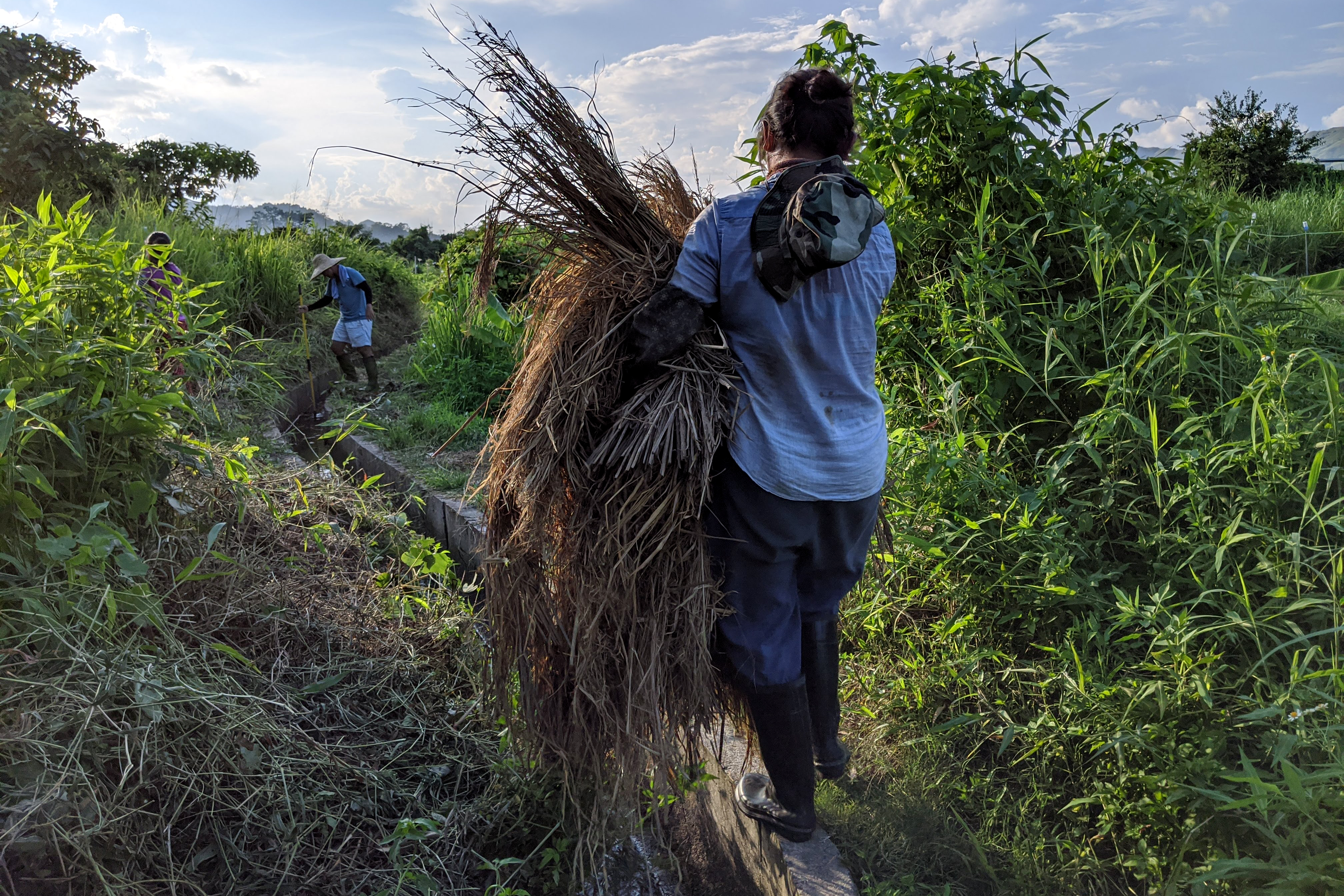
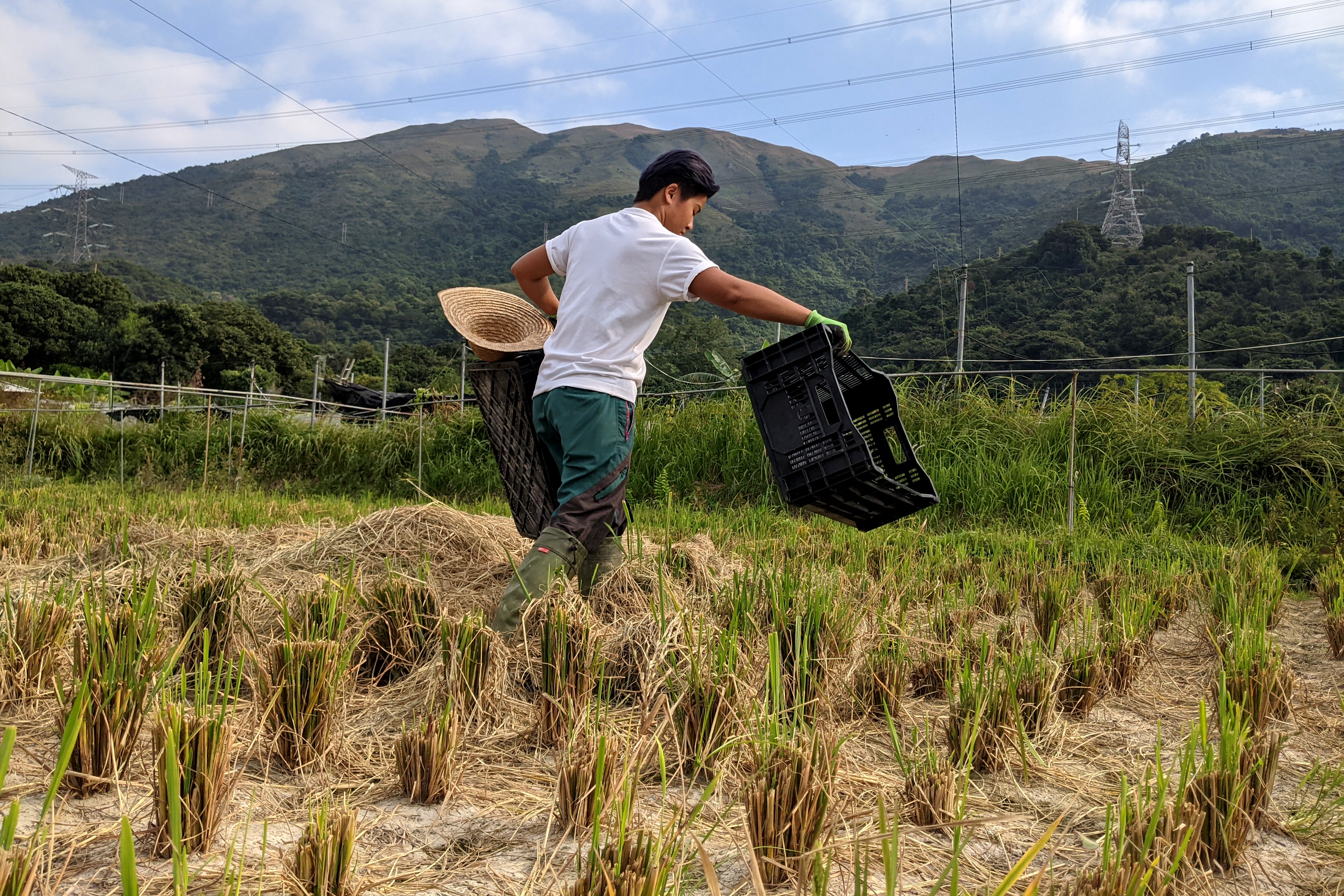
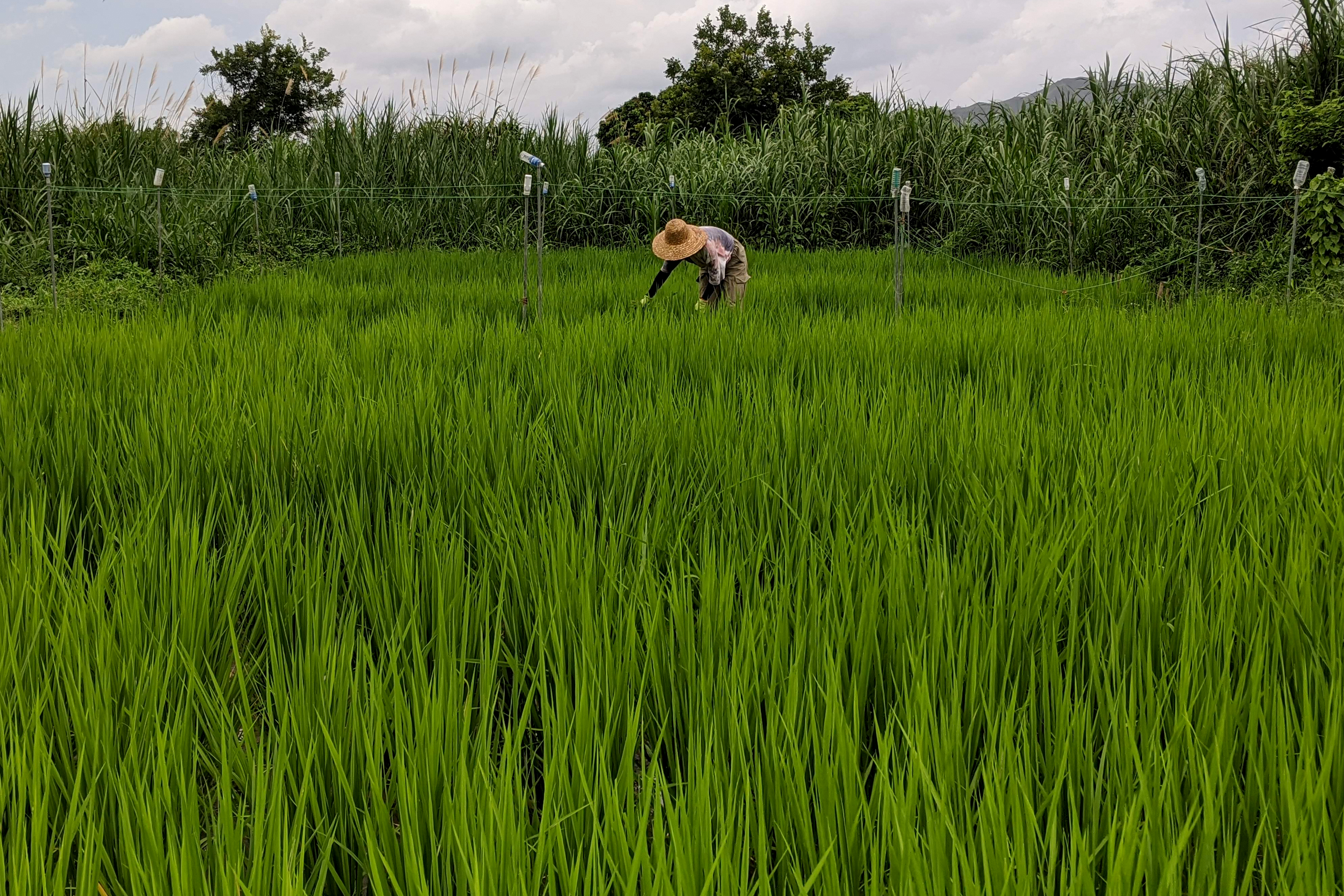
Members of Pat Heung Rice preparing a paddy field for the next growing cycle.
Between 2018 and 2022, I volunteered at two Hong Kong farms, learning first-hand about the intricate relationships between food production, land, community, and the natural cycles that sustain life.
Pat Heung Rice started as a social experiment by a localist activist addressing Hong Kong’s food security vulnerability: our dangerous dependence on imports while productive farmland was being deliberately converted to brownfield sites for development. He acquired a piece of abandoned land with a good water source, then gradually passed it on to a community of passionate novices to make it work.
The community was a diverse mix of creatives. Everyone brought special knowledge and imagination to the table, some even pursued further education in agriculture and ecology. The challenge wasn’t just environmental but social, e.g. earning trust from neighbouring generational farmers who initially saw us as outsiders. We humbly learnt from their traditional wisdom while maintaining our commitment to organic, sustainable, and probably idealistic methods.
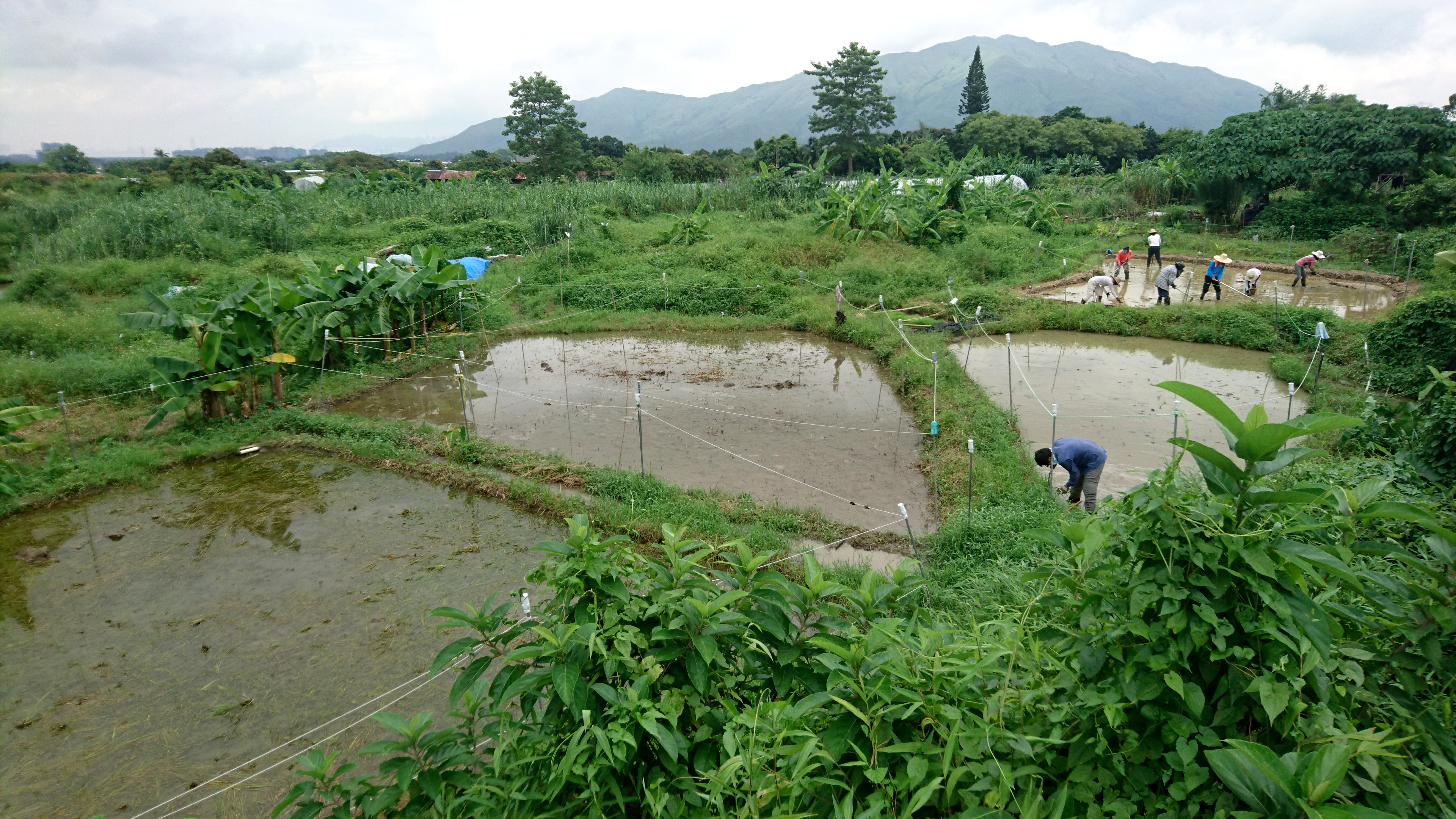
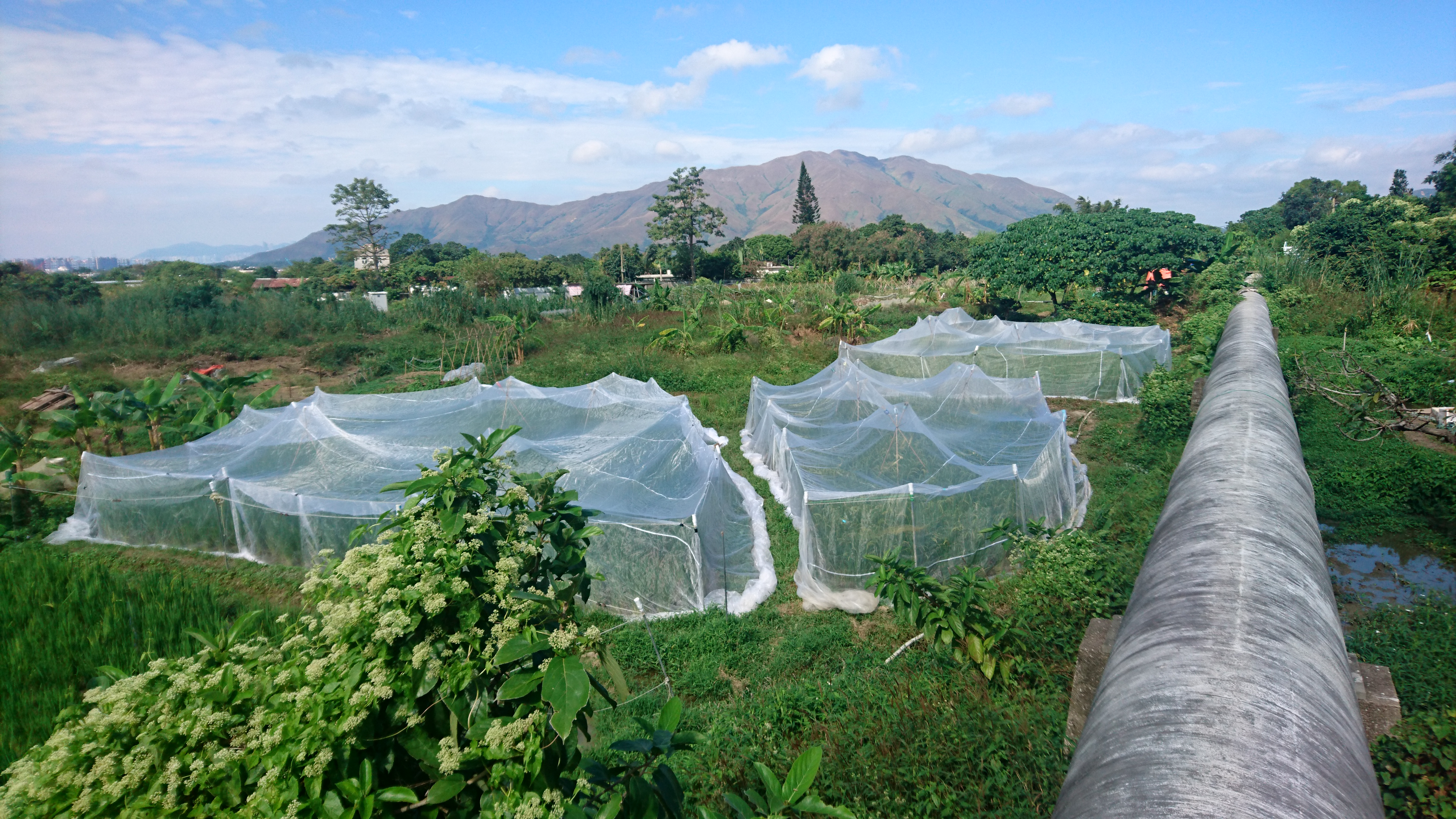
Preparing the muddy field for transplanting rice seedlings vs the heading stage when the rice was netted.
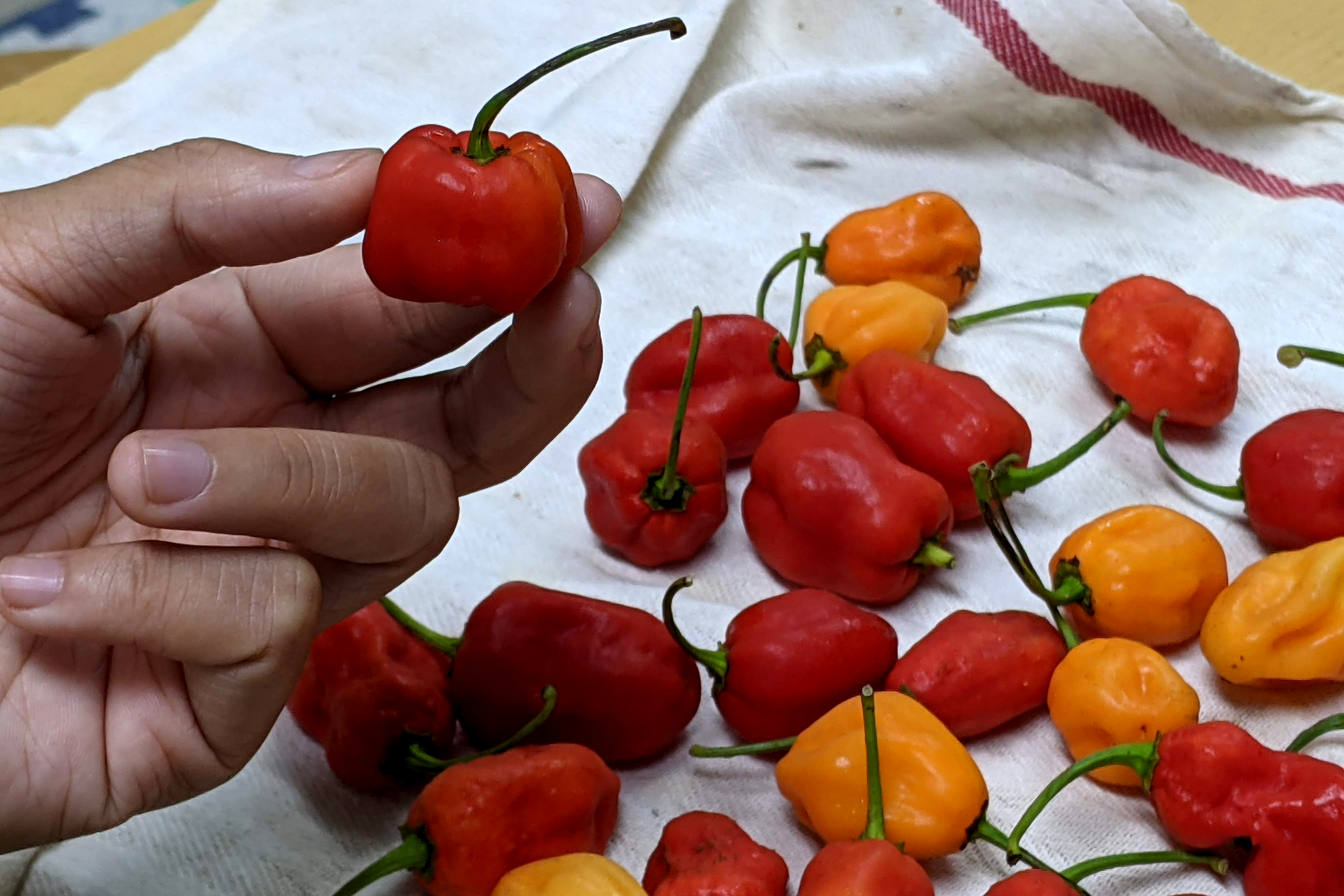
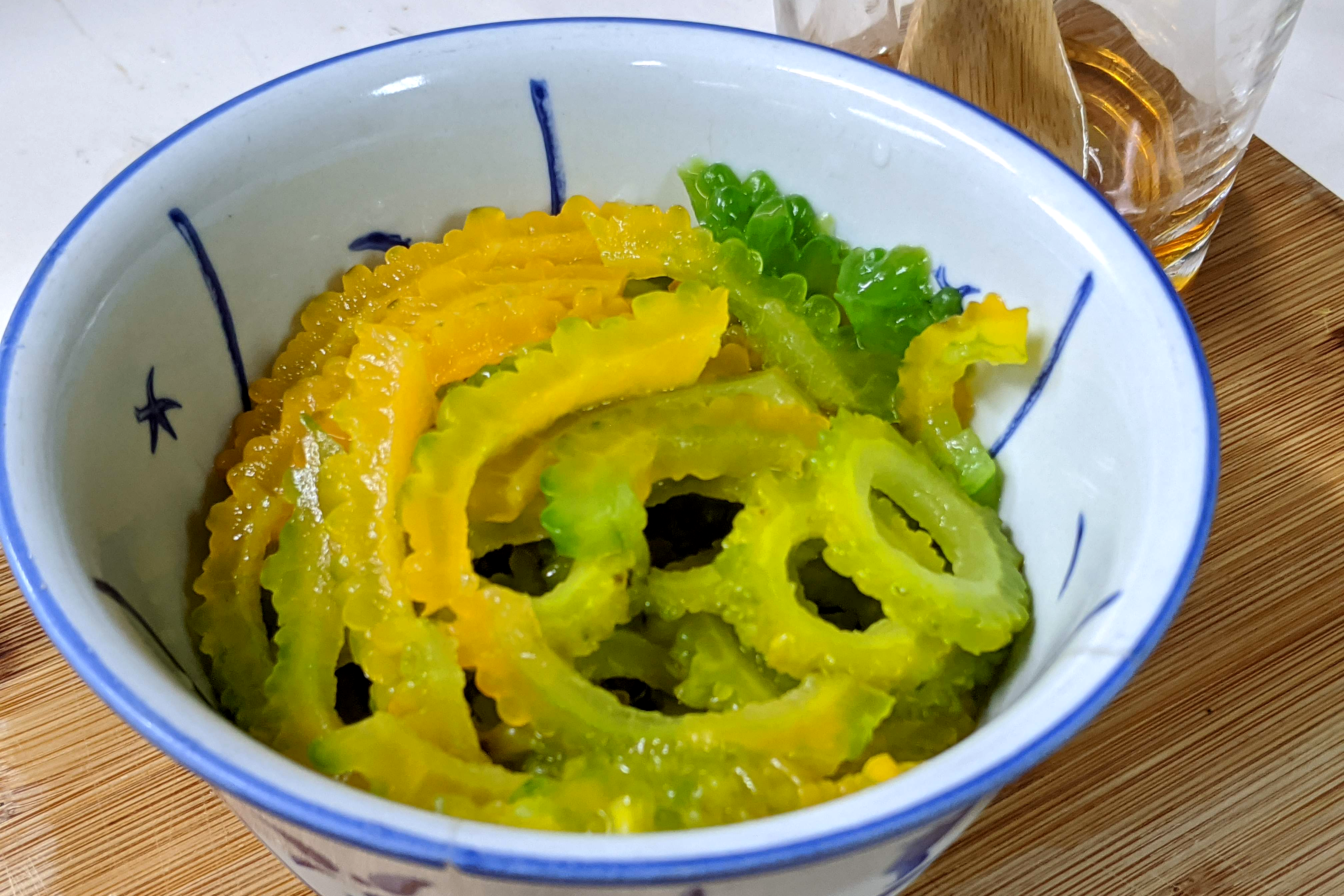
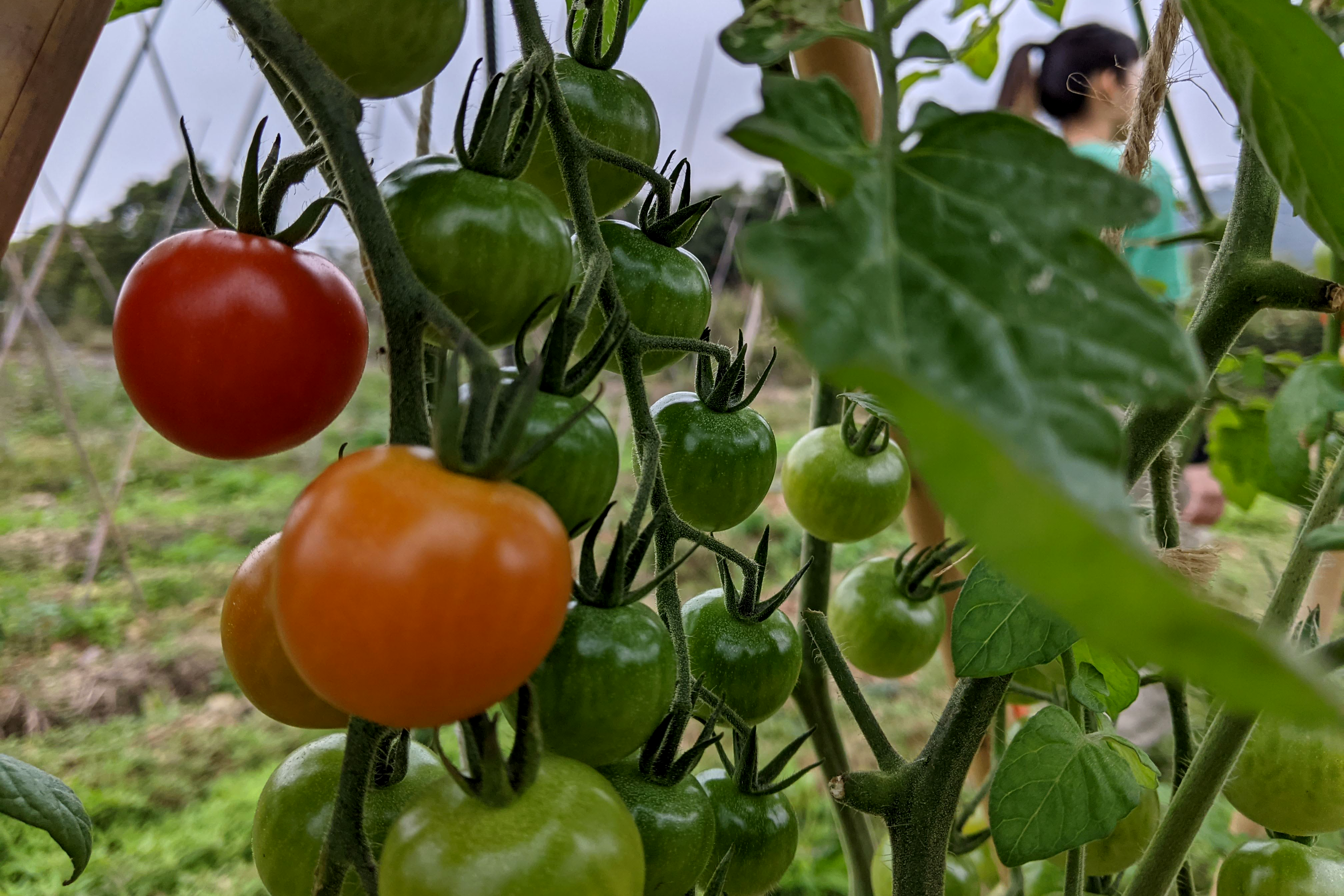
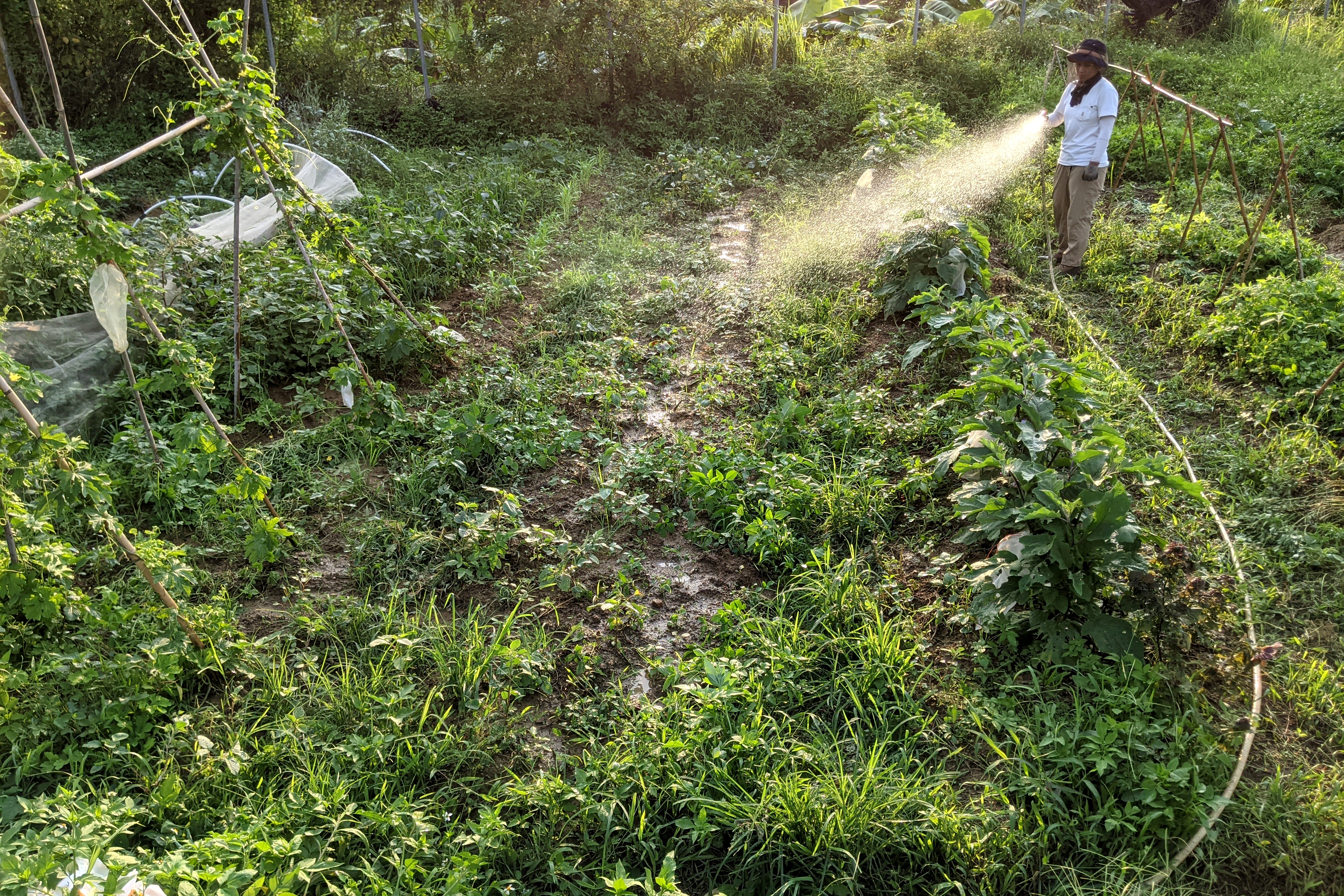
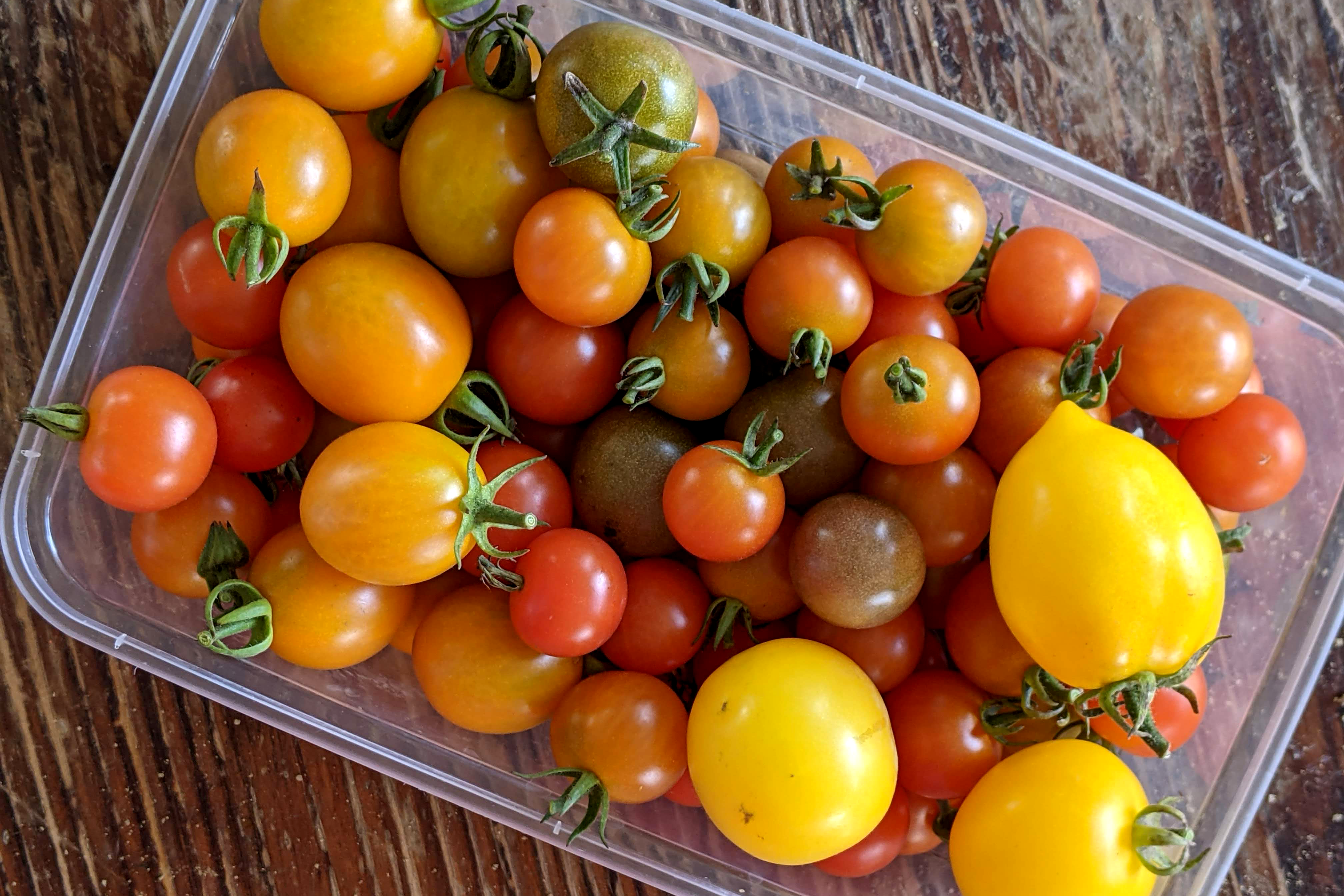
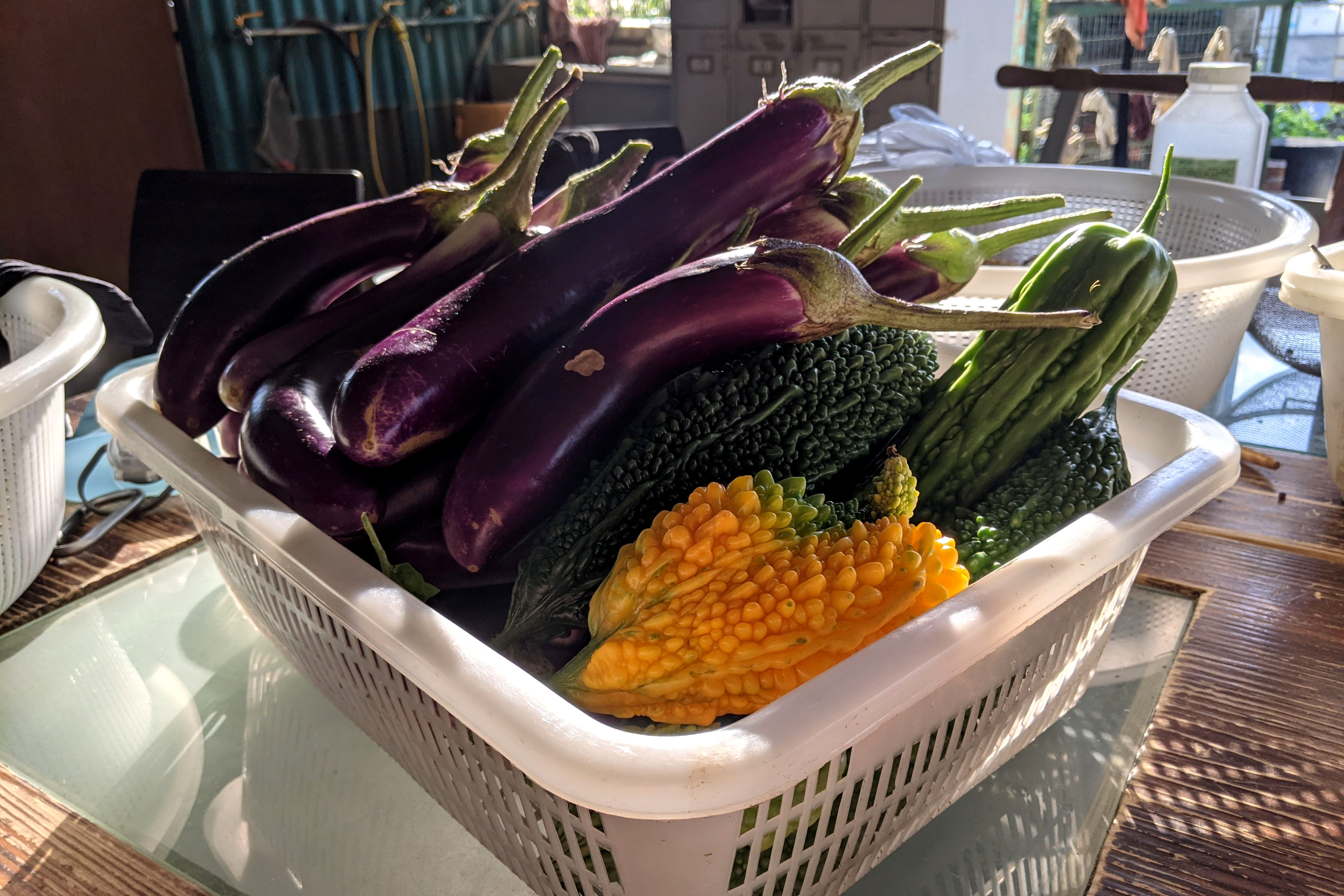
Later, at Sun Hing Farm, I helped out on Chan Yan/Greenland Steps’ allotment regularly and learnt more about the business side of farming, e.g. finding a niche for your produce, cost-efficiency, smart marketing and distribution. Yan had built her reputation around Hokkaido white corn, Japanese-style pickles and liquors, exotic chillies, colourful cherry tomatoes, and… charisma, definitely.
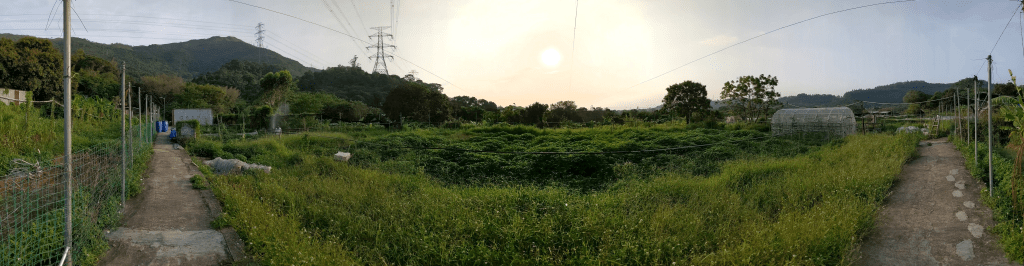
Sun Hing Farm at sunset
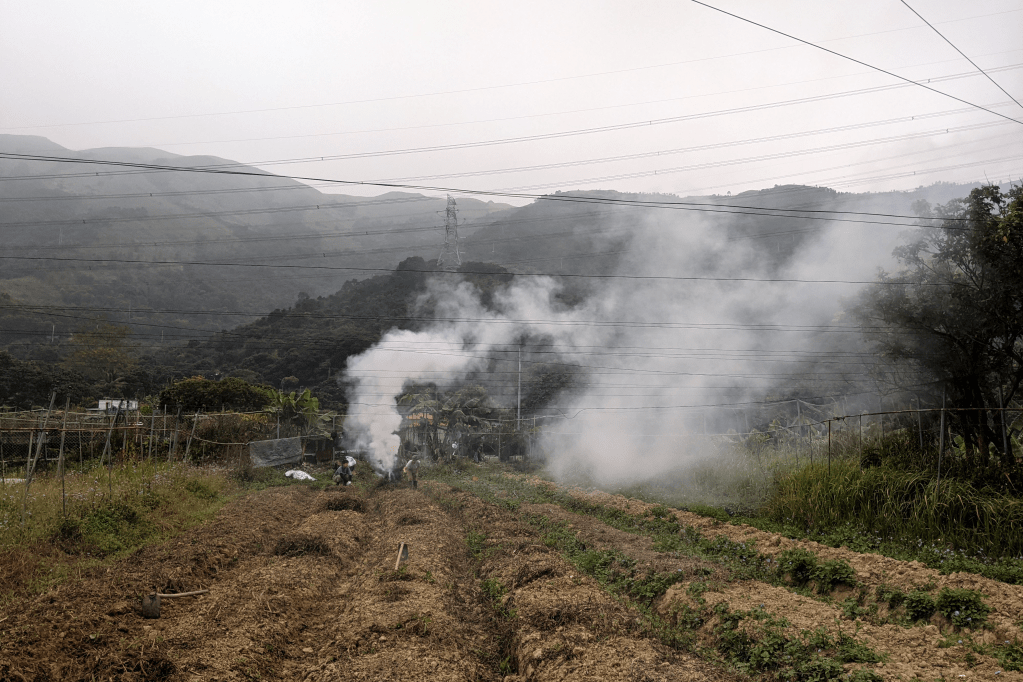
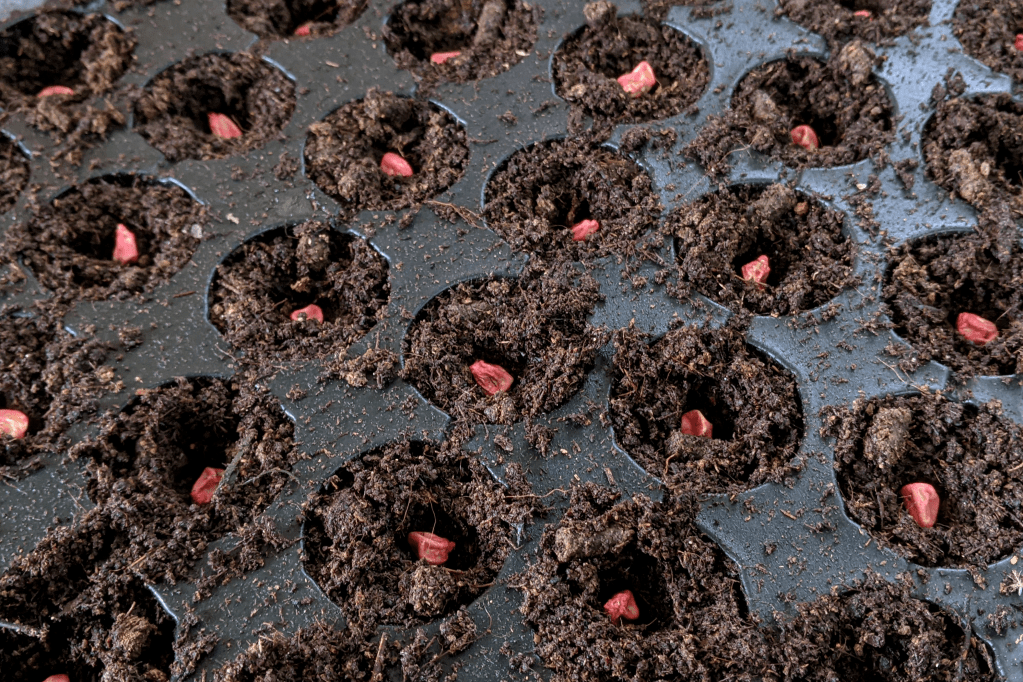
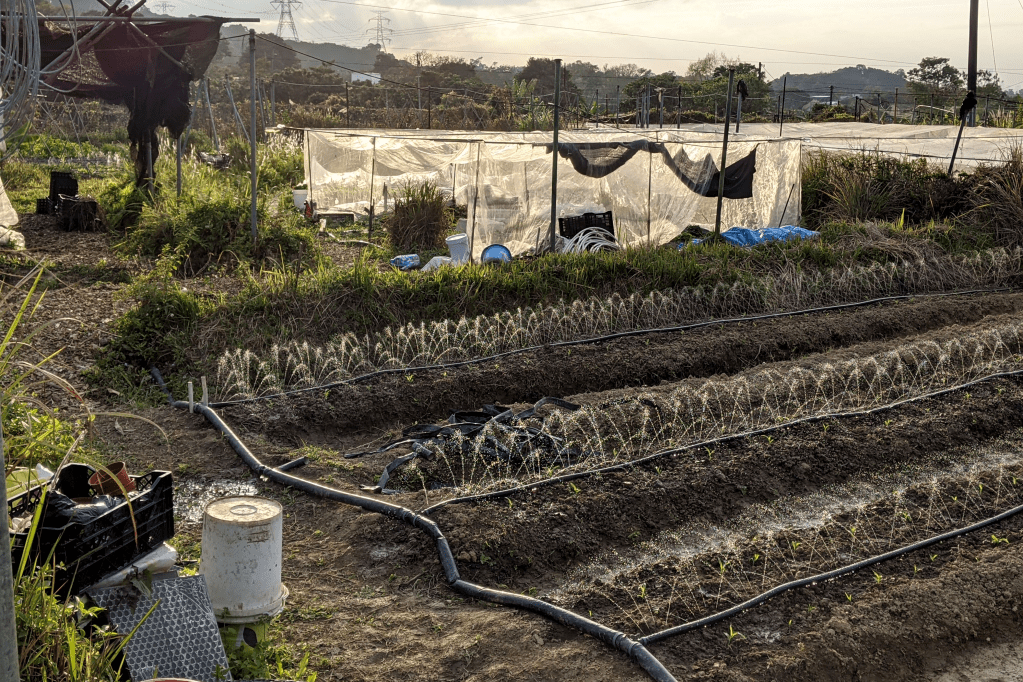
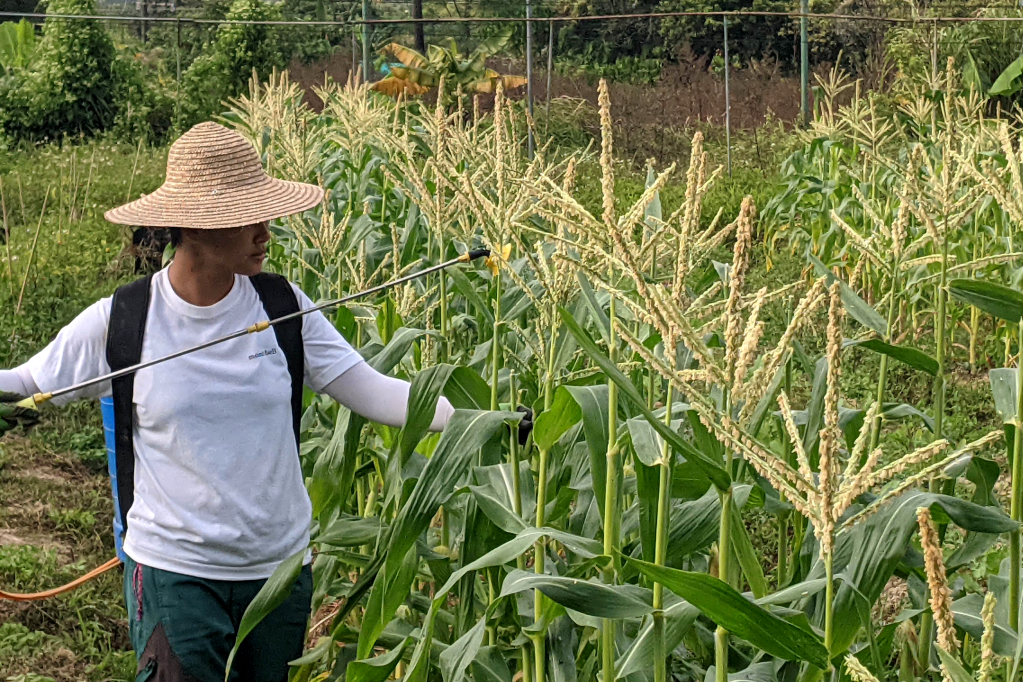
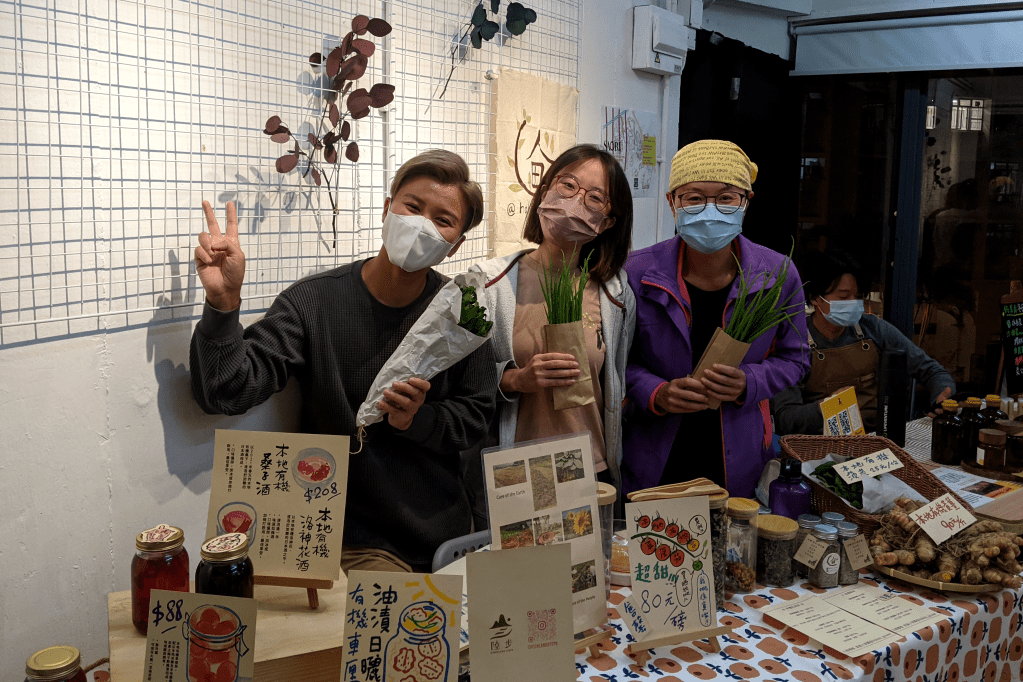
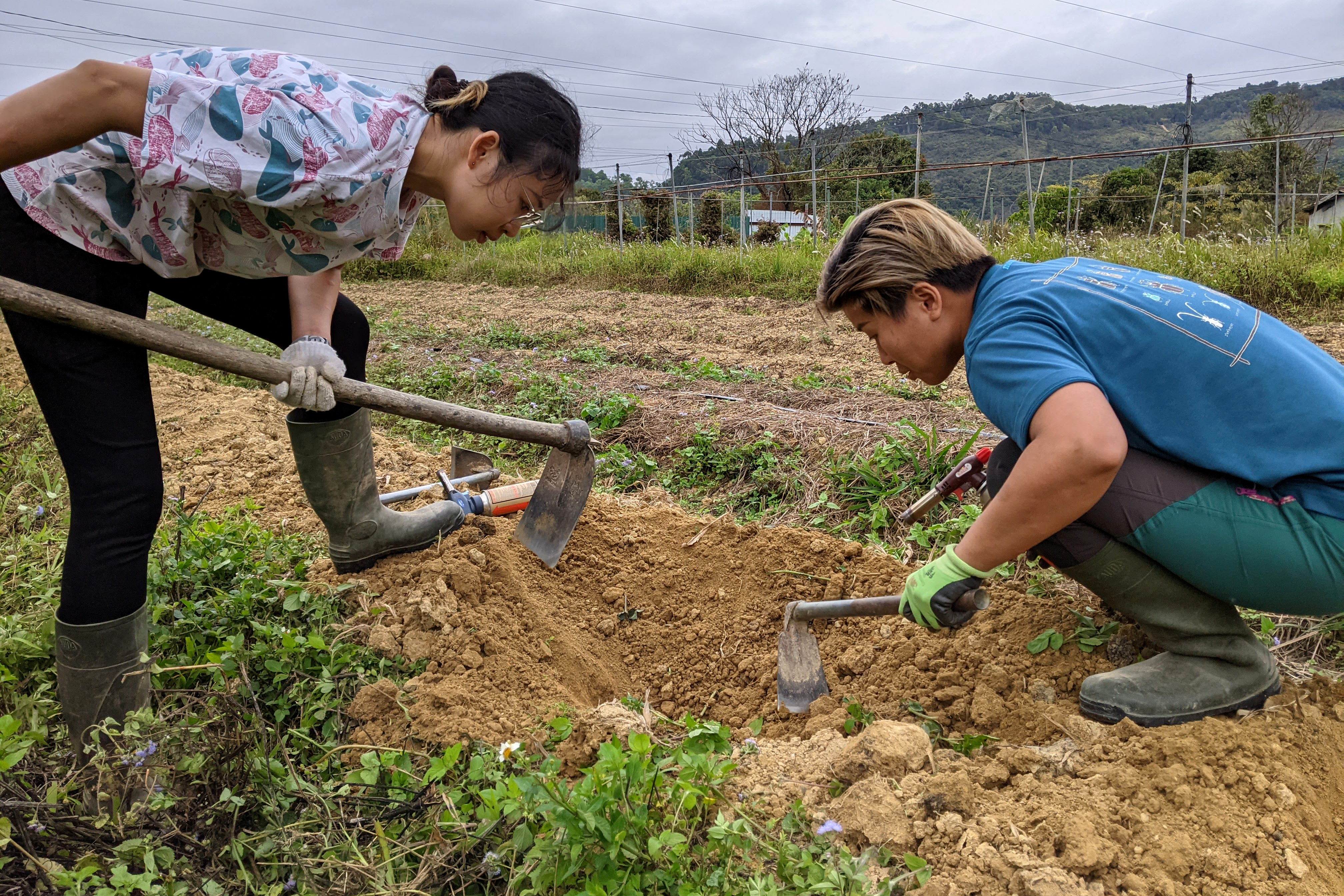
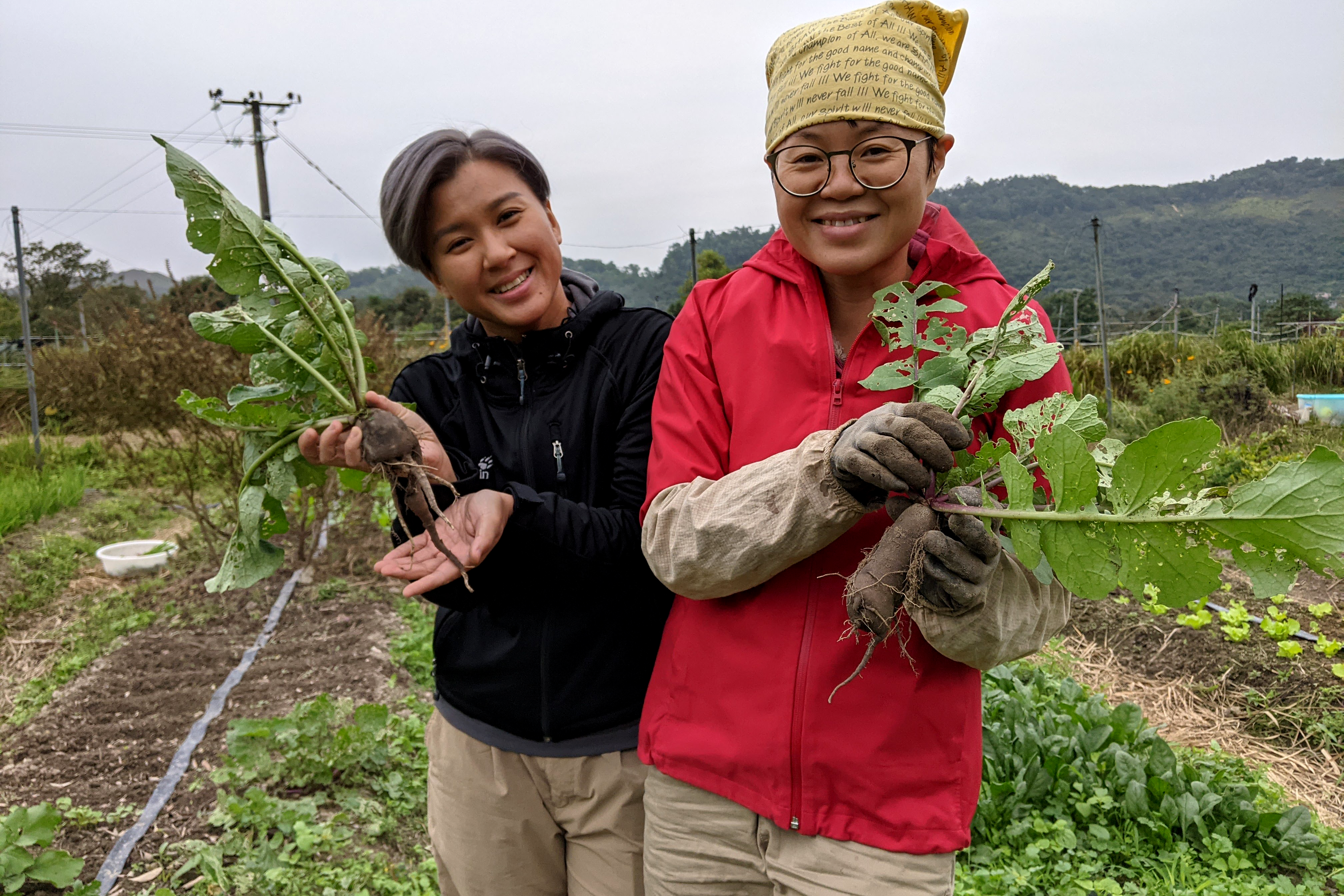
Different stages of the farming cycle, featuring Yan at work and Connie, our farmers’ market buddy.
Many of my artworks draw directly from my farming experience — you’ll likely encounter them throughout this site, but the most notable are Please Mind the Gap and Illustrations for communities.
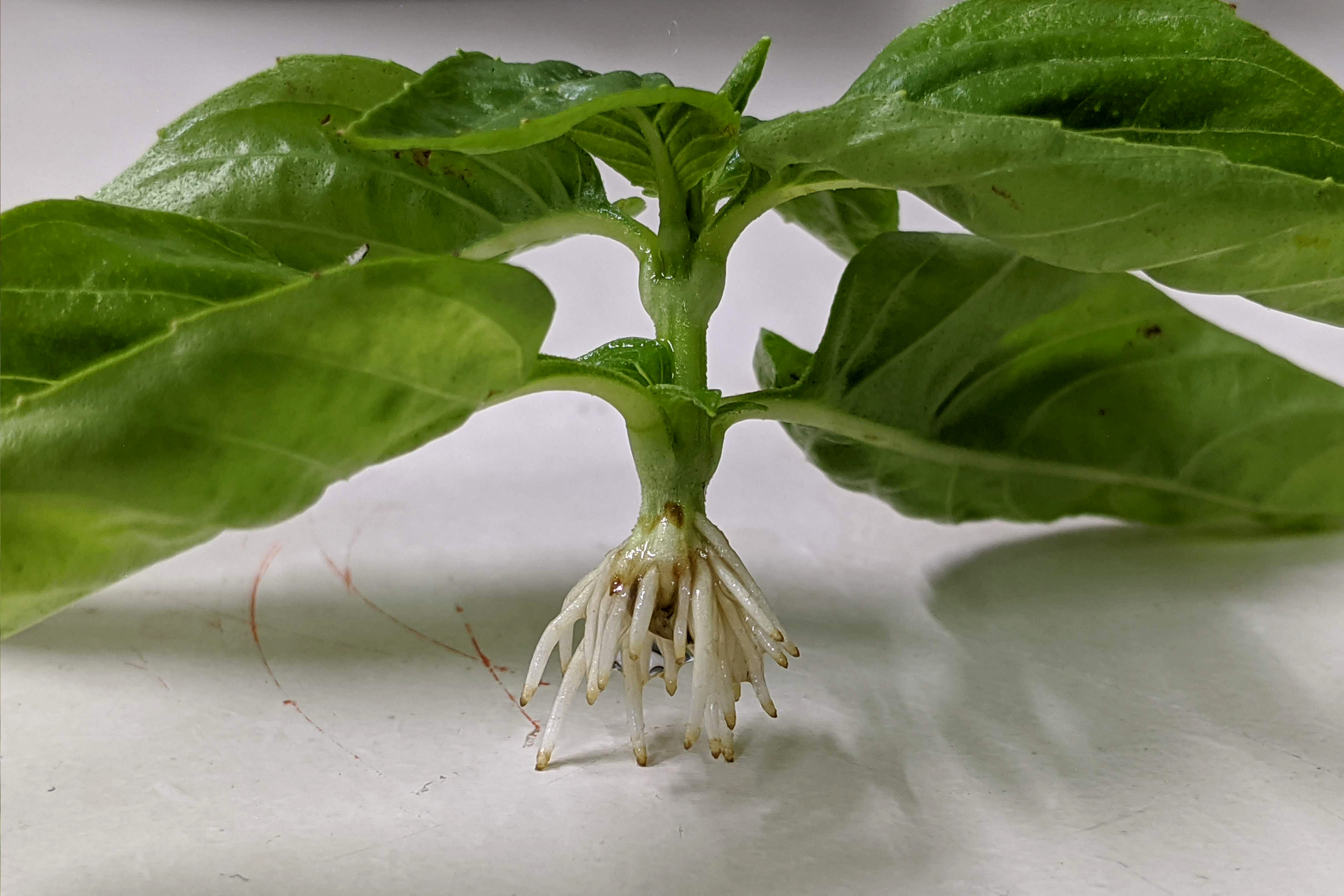
Organic farming means accepting pests as a natural occurrence, namely larvae that treat your crops as their personal buffet. We’d remove most of them by hand, but one day Yan and I wondered, what if we actually tried to raise one?
We set up a mini salad bar for a corn earworm, watched it stuff itself full, poop, grow, molt, poop more, grow some more, turn into a pupa, and voilà – metamorphosis. The month-long process captivated us so much that for a while, we made a habit of raising any lucky larvae that survived our crop protection efforts.
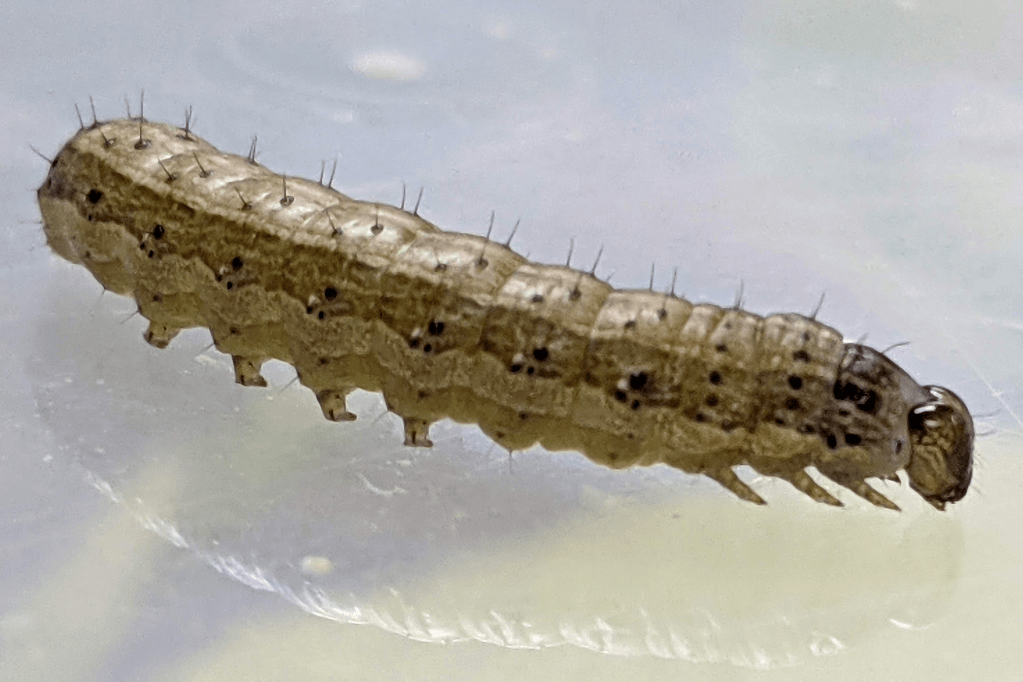
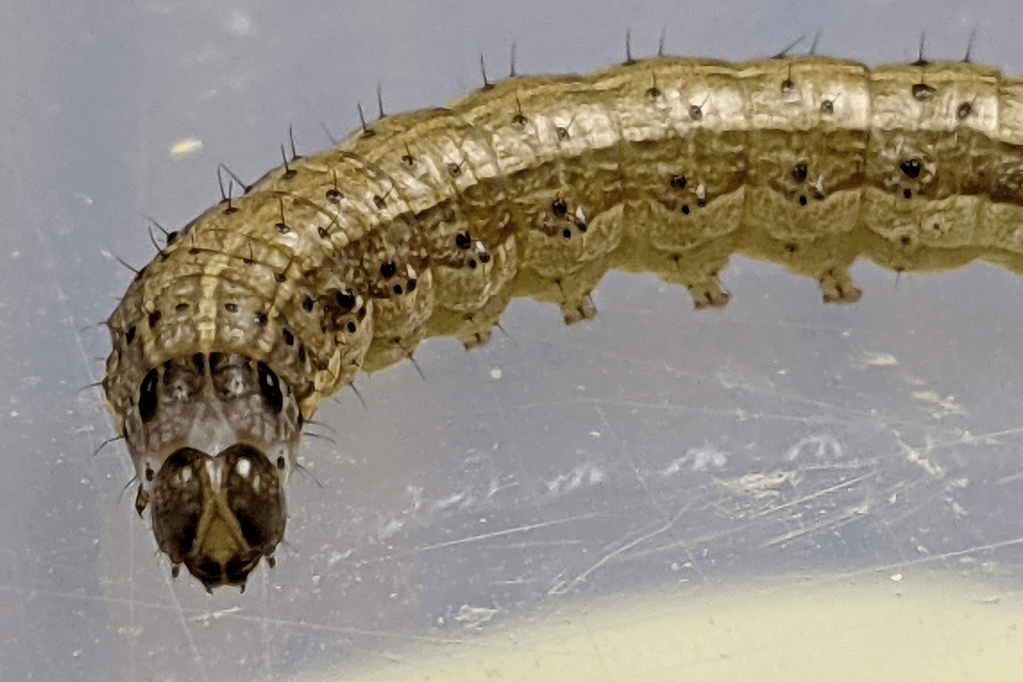
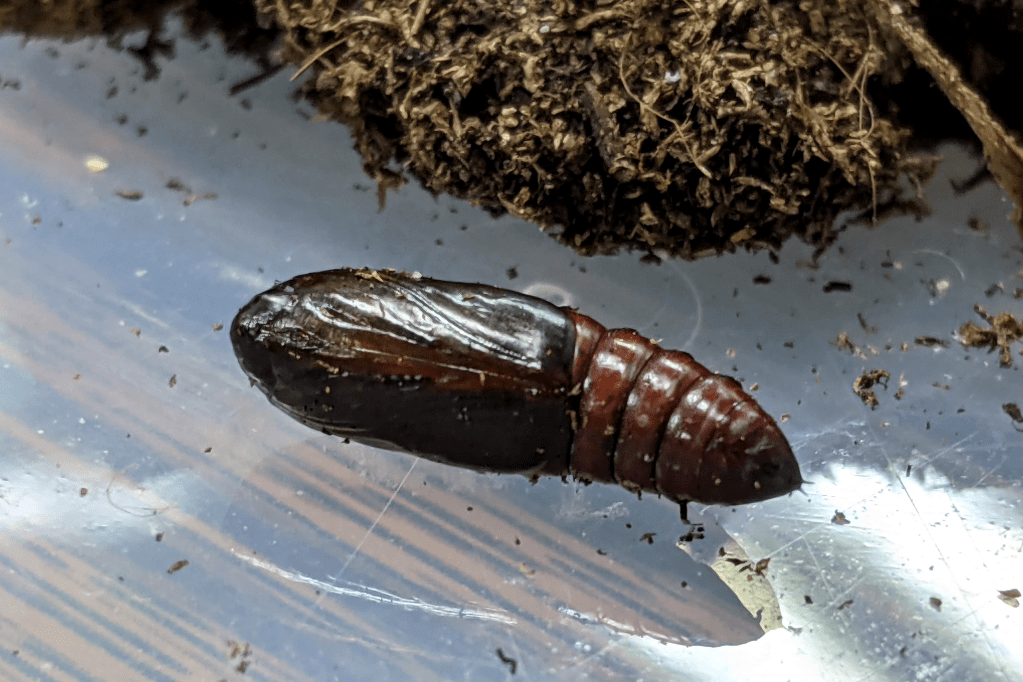
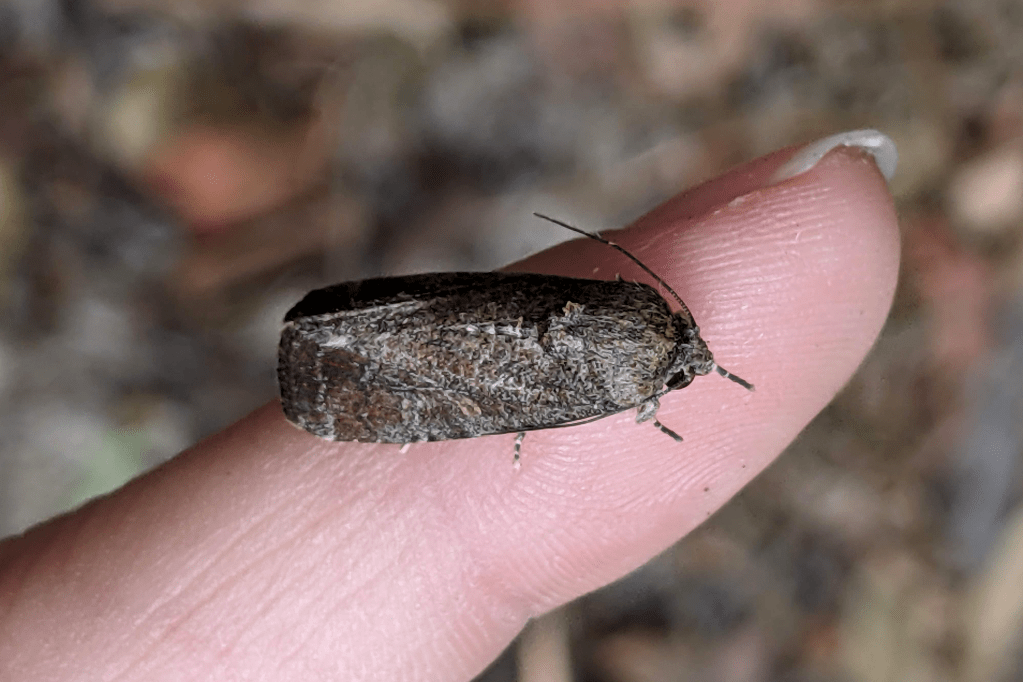
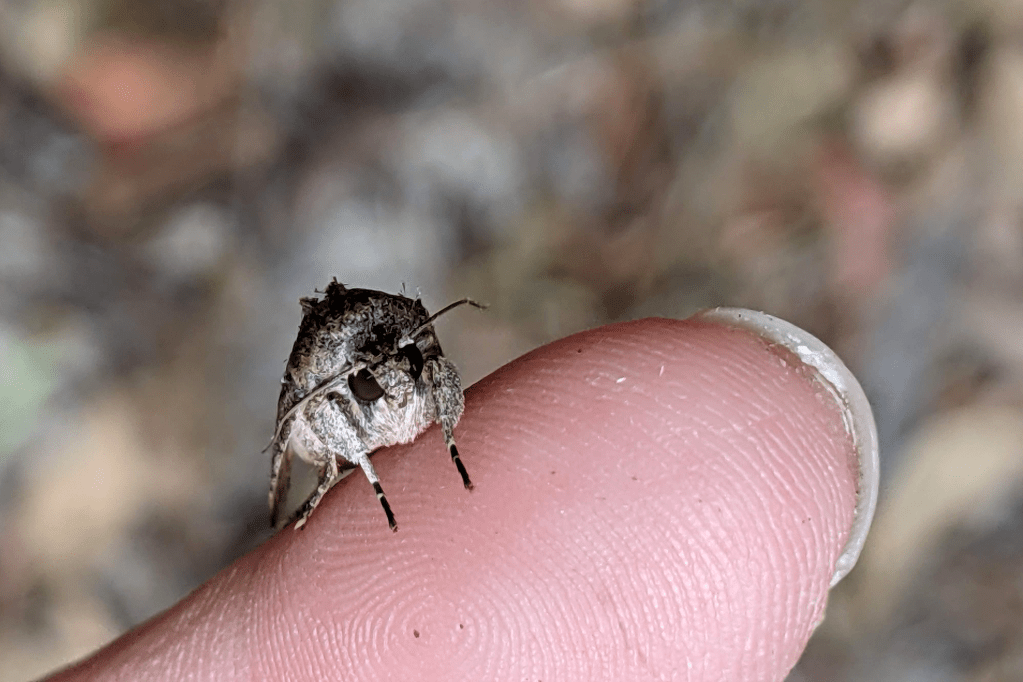
Our first guest, a corn earworm, from the first day of arrival to the last glimpse before flying off.
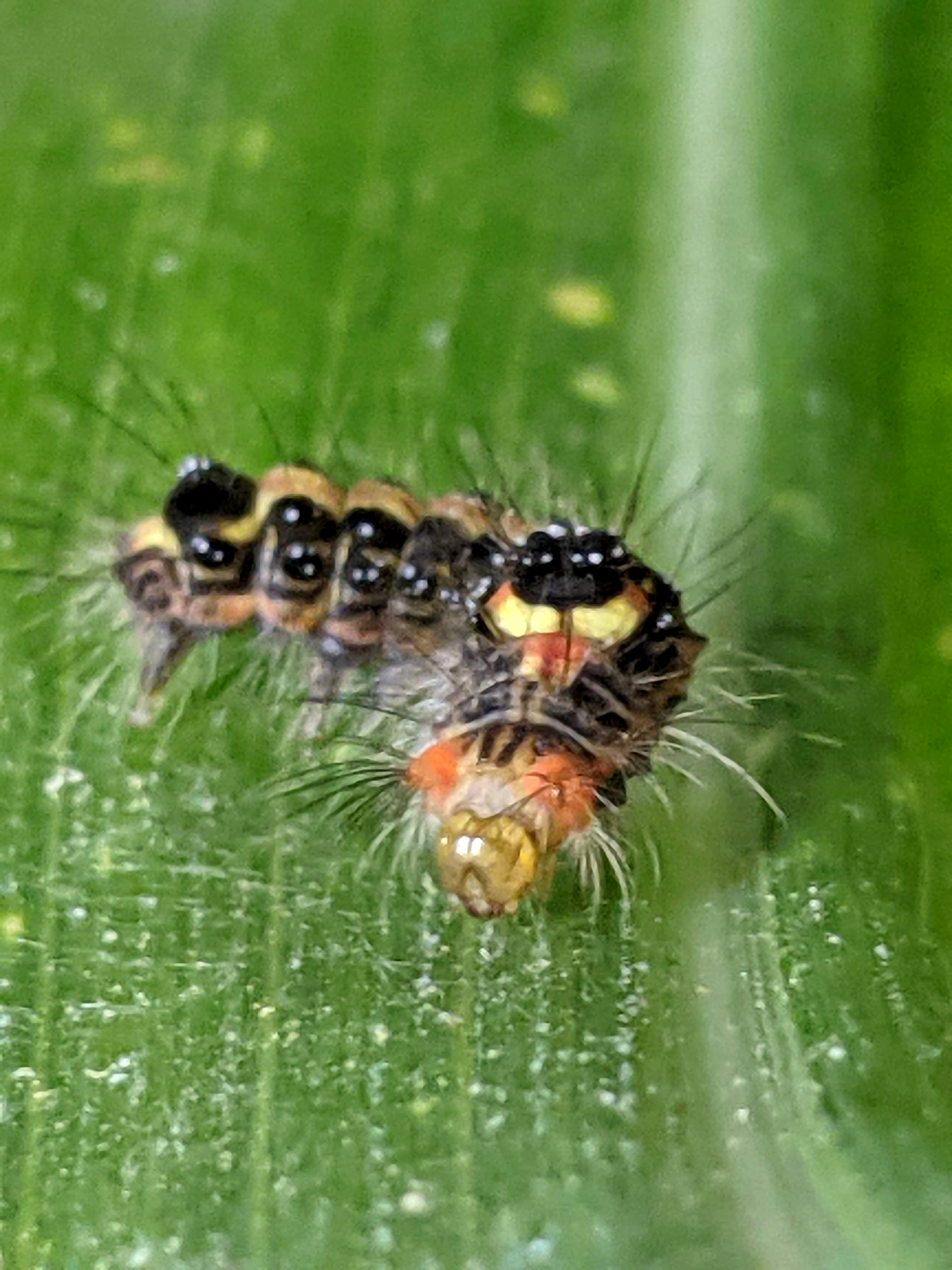
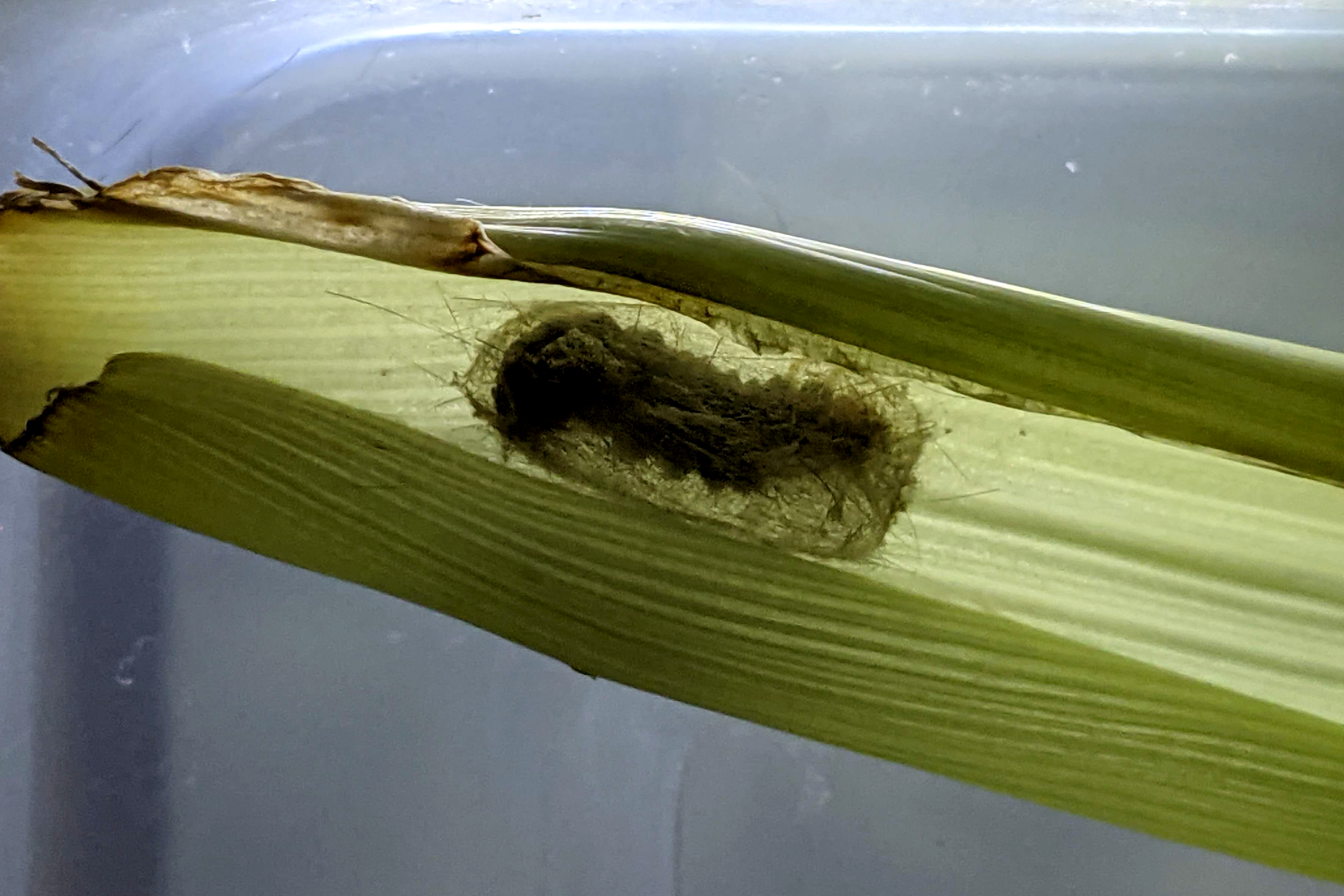
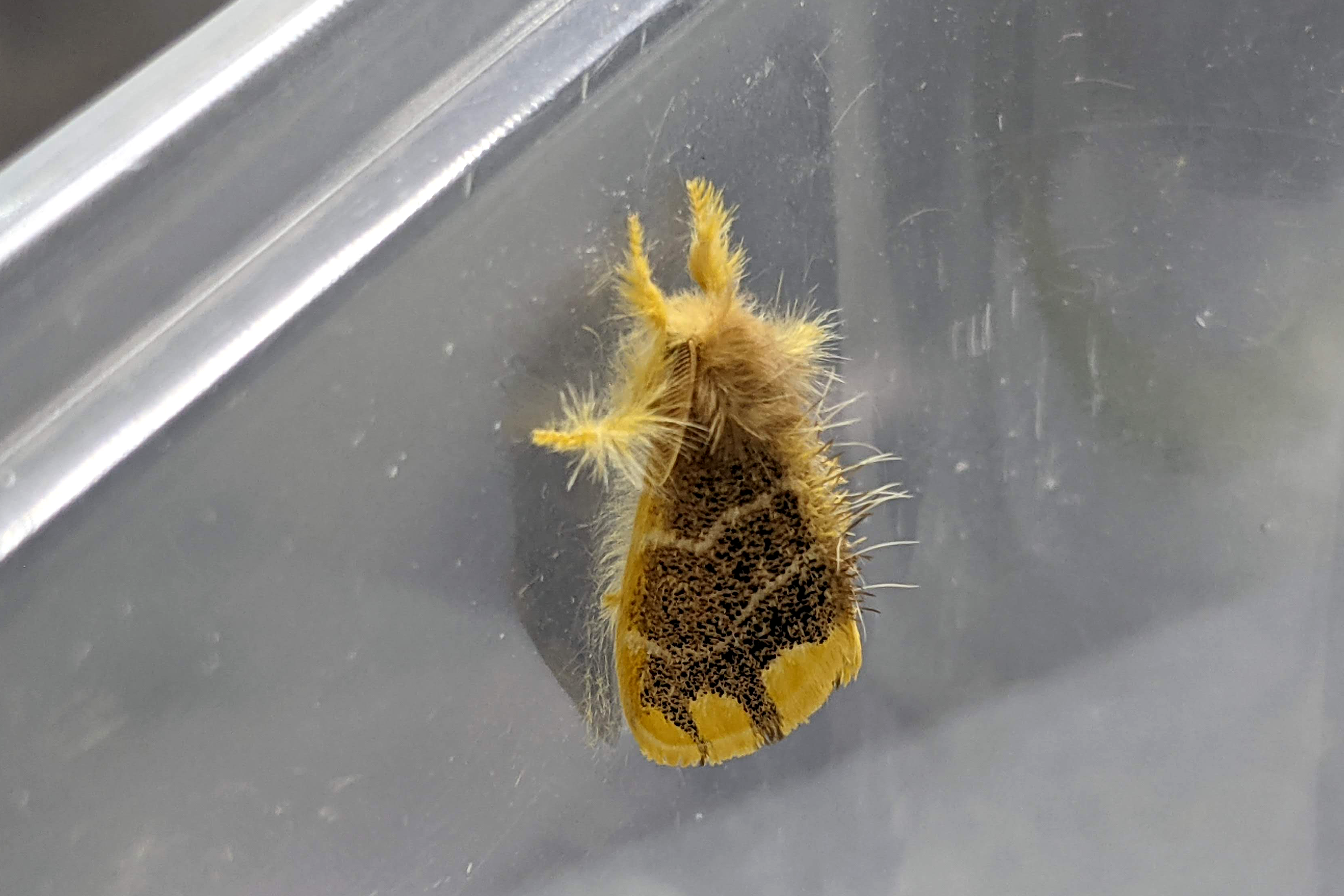
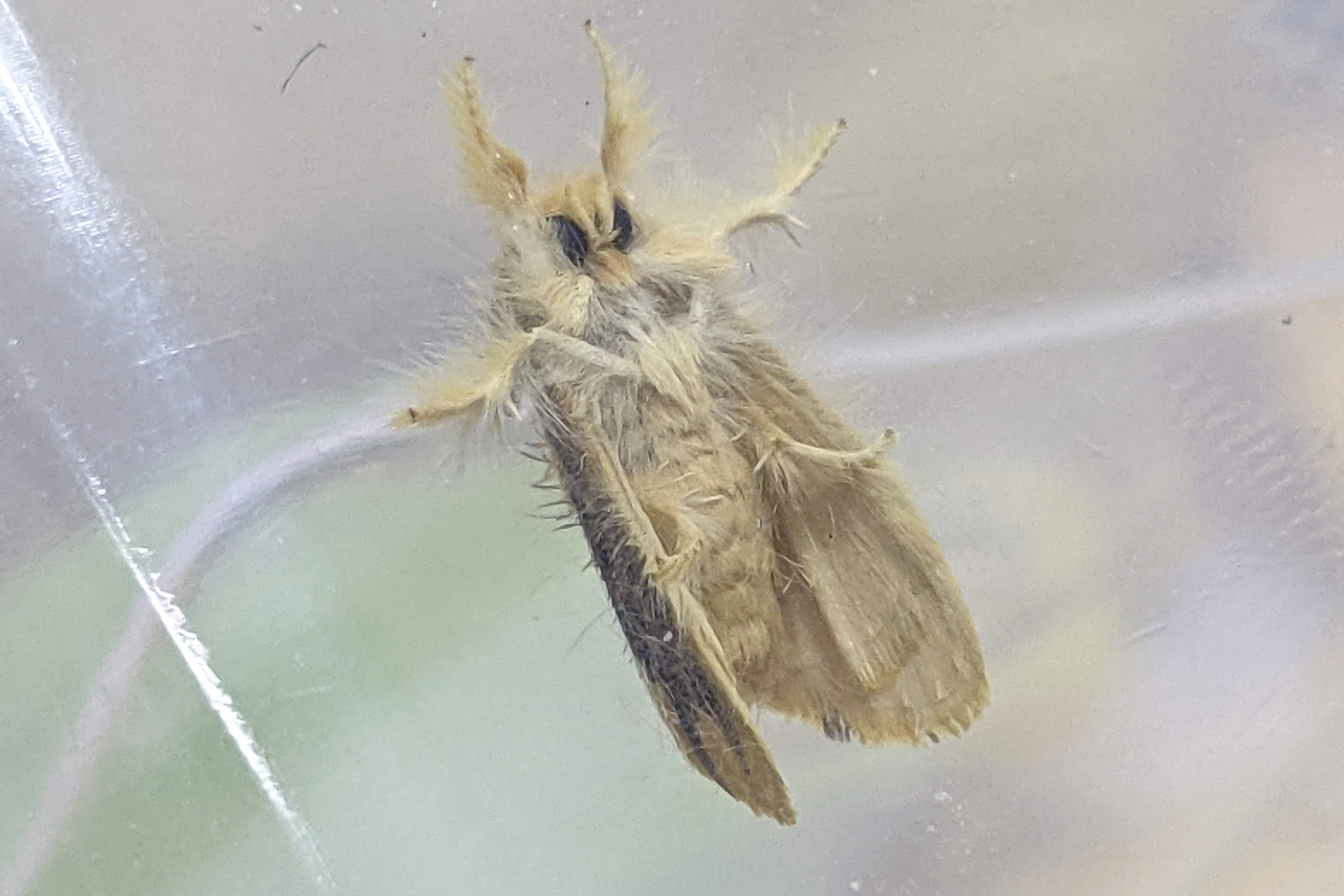
This hairy fella was consistent throughout – spun silky cocoon, came out fluffy. A tea tussock moth.
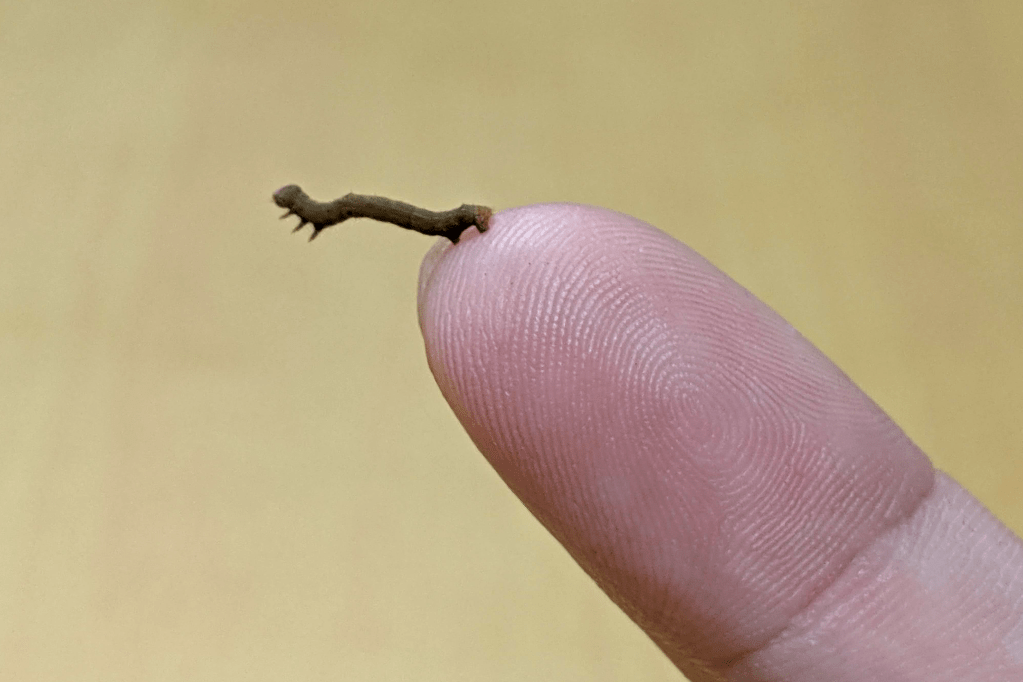
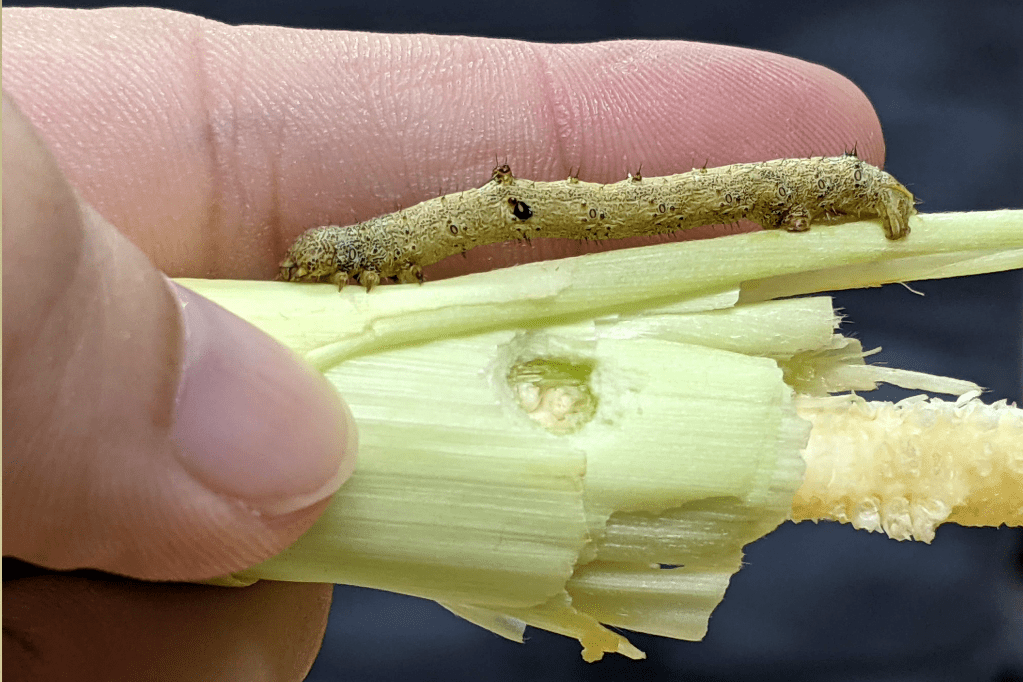
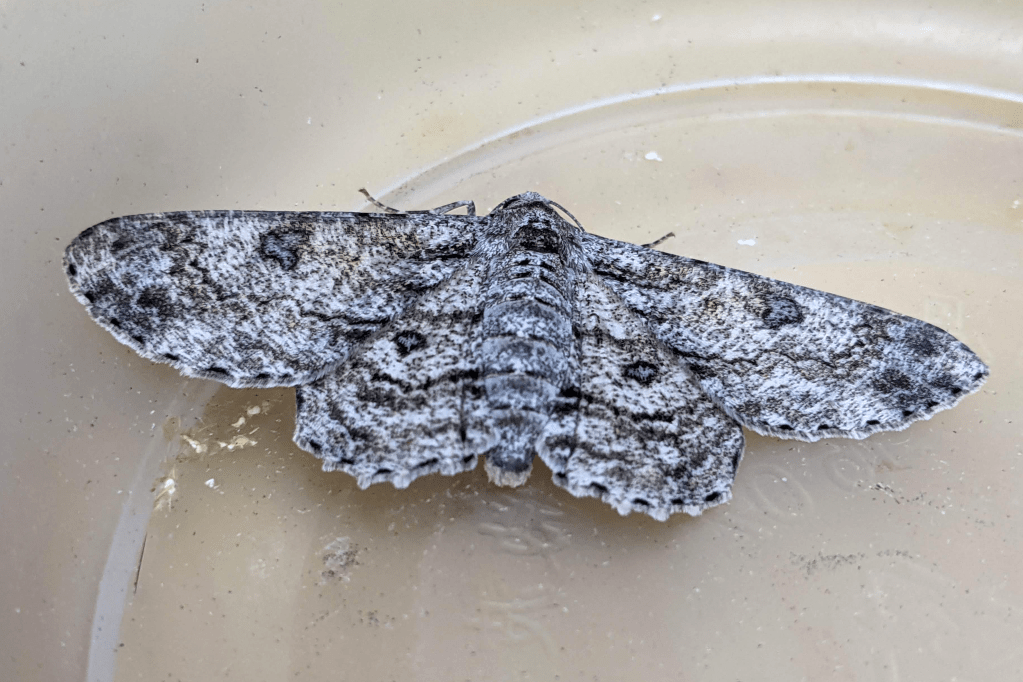
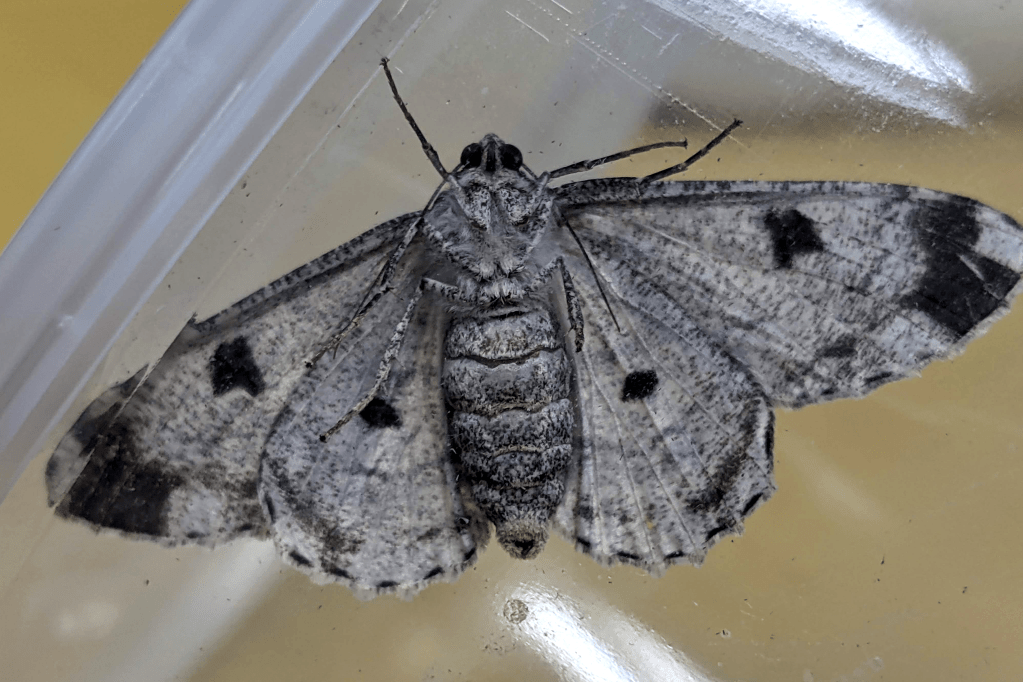
This tiny inchworm grew dramatically and emerged as a beautiful common grey.
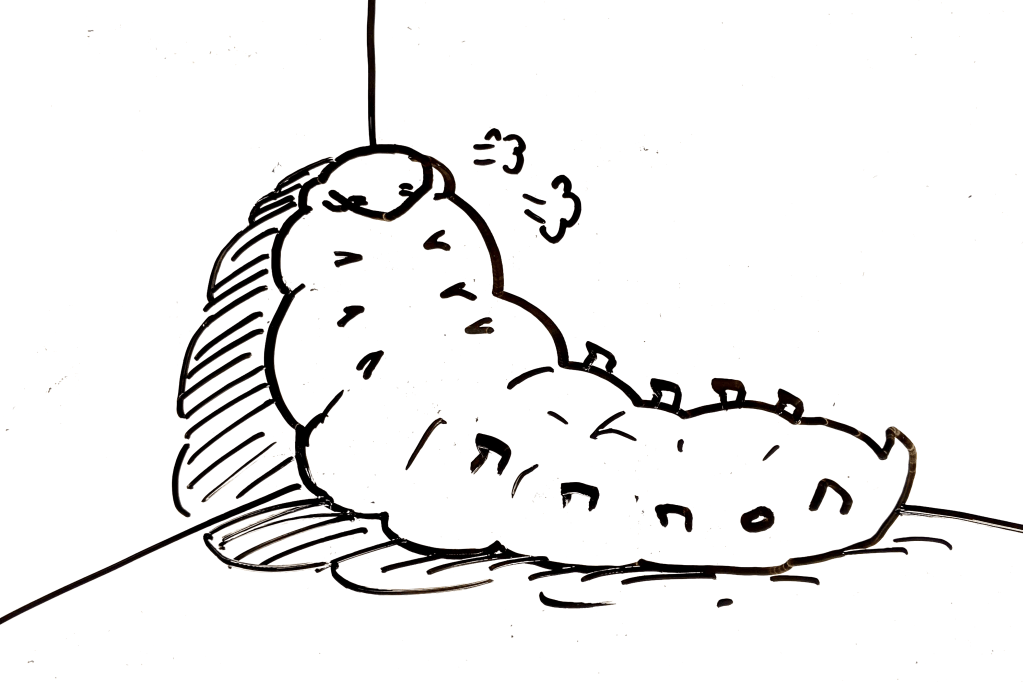
After a few cycles, we learned to recognise the telltale signs of pupation: they’d look so bloated as if ready to burst. That’s how we managed to capture the inchworm’s transformation as a timelapse. The fresh green pupa will slowly turn brown as it matures.
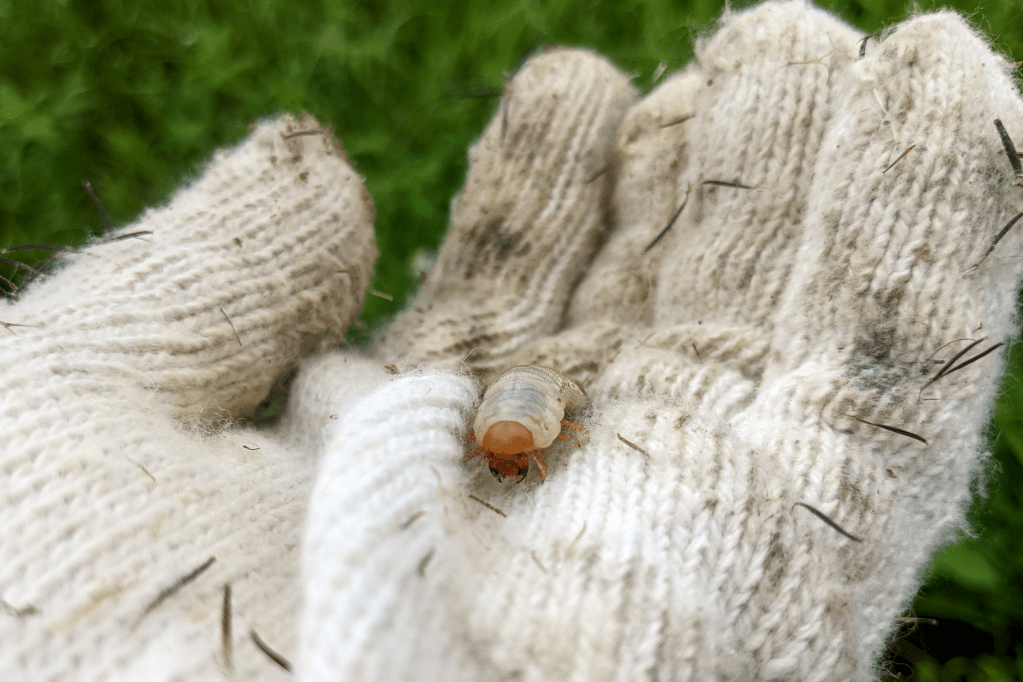
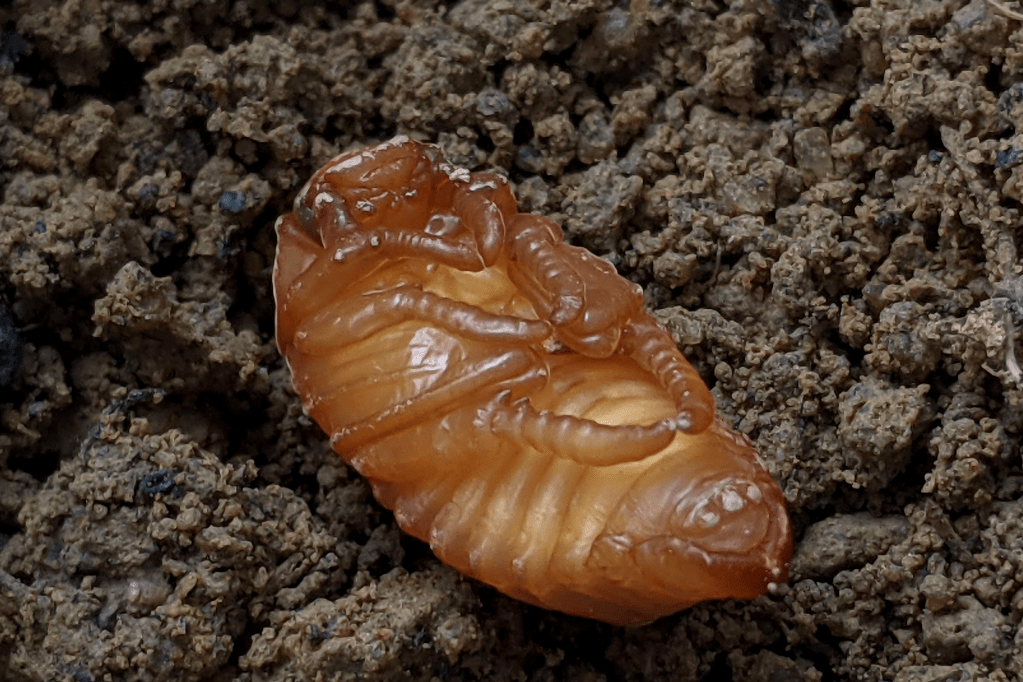
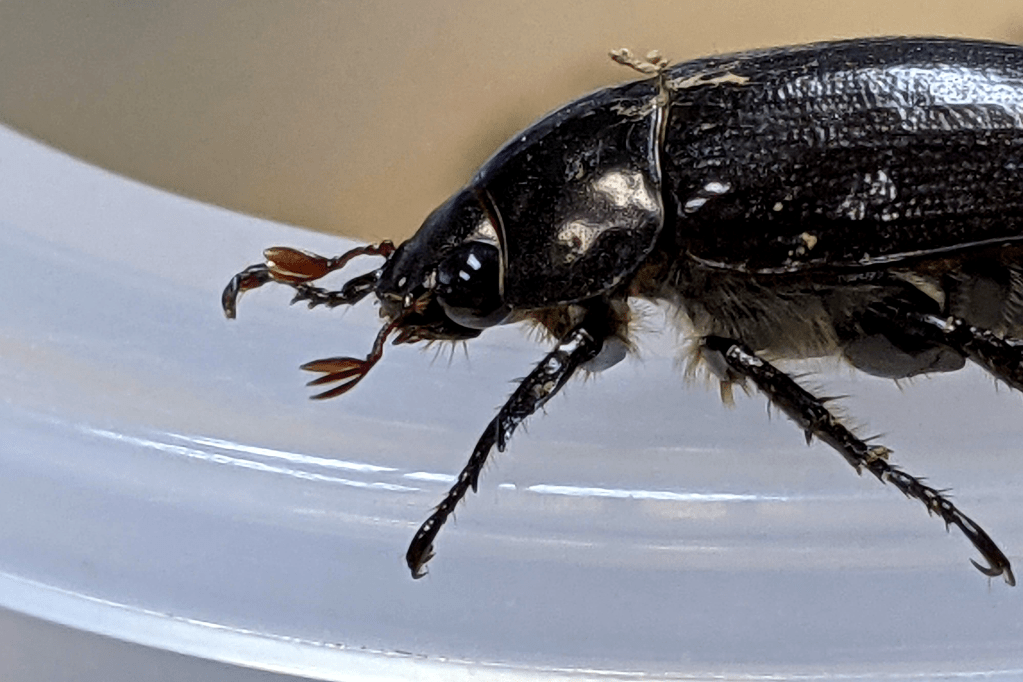
This alien-looking fella, to our surprise, turned out to be an absolutely adorable beetle.
Yan’s reaction says it all.
This experience growing moths inspired a stop-motion workshop and several digital artworks.
I grew up in Hong Kong’s concrete jungle, as did my parents, so we never had a countryside home to retreat to. I think that’s why Studio Ghibli’s Only Yesterday resonated with me so much – Taeko’s inner tension between longing for country life and feeling like a tourist. If you’ve enjoyed this page so far, perhaps you’d enjoy the film too.
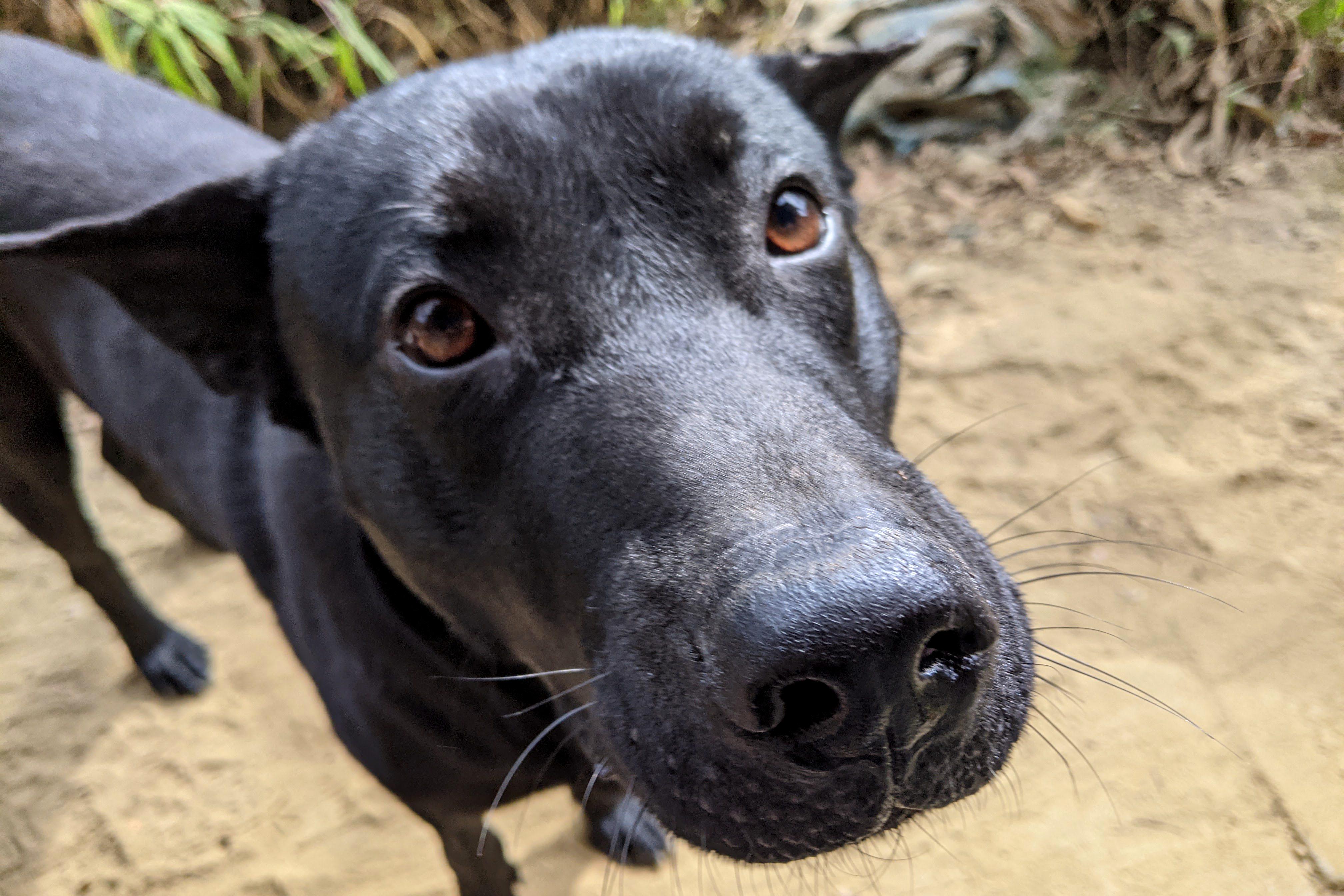
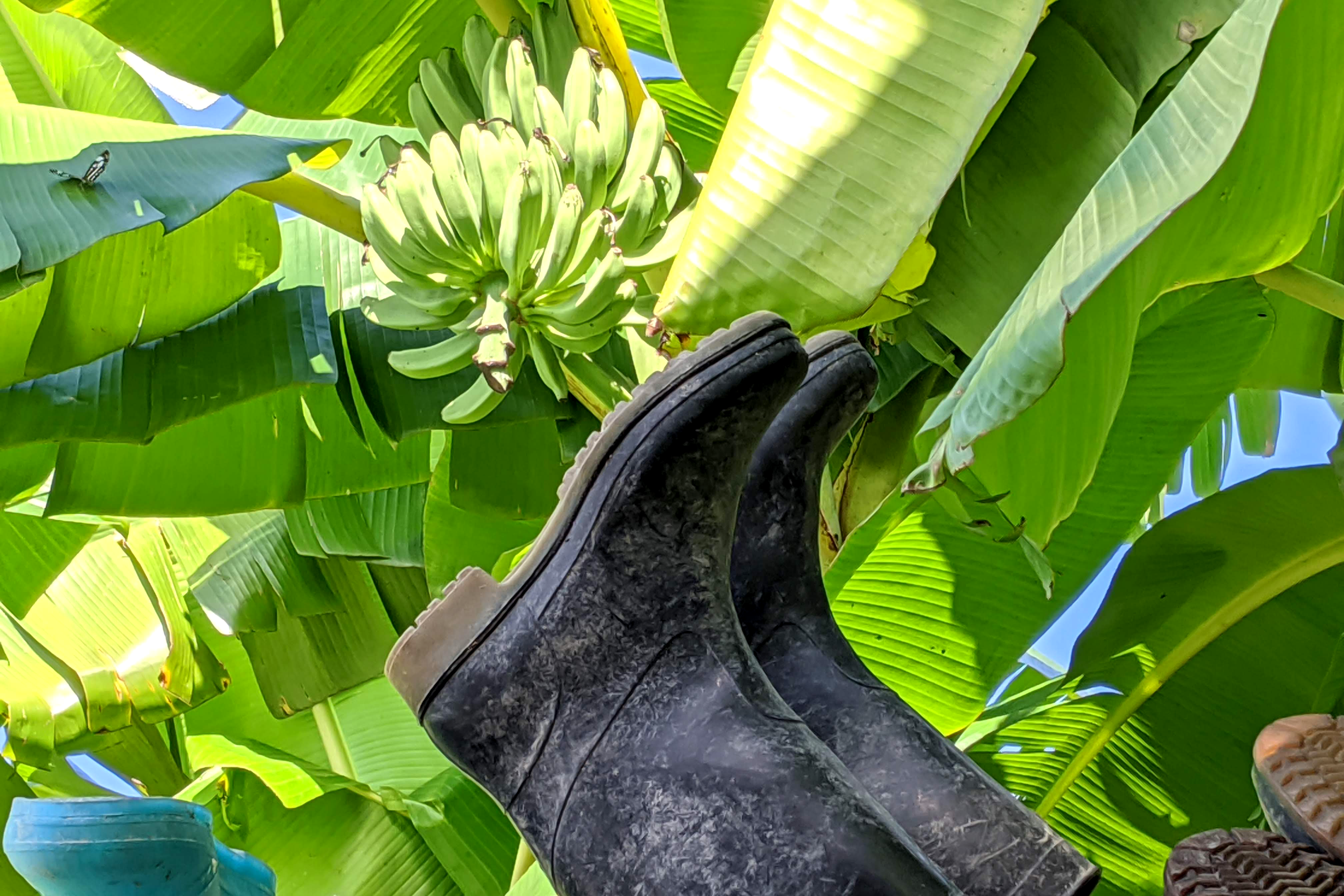
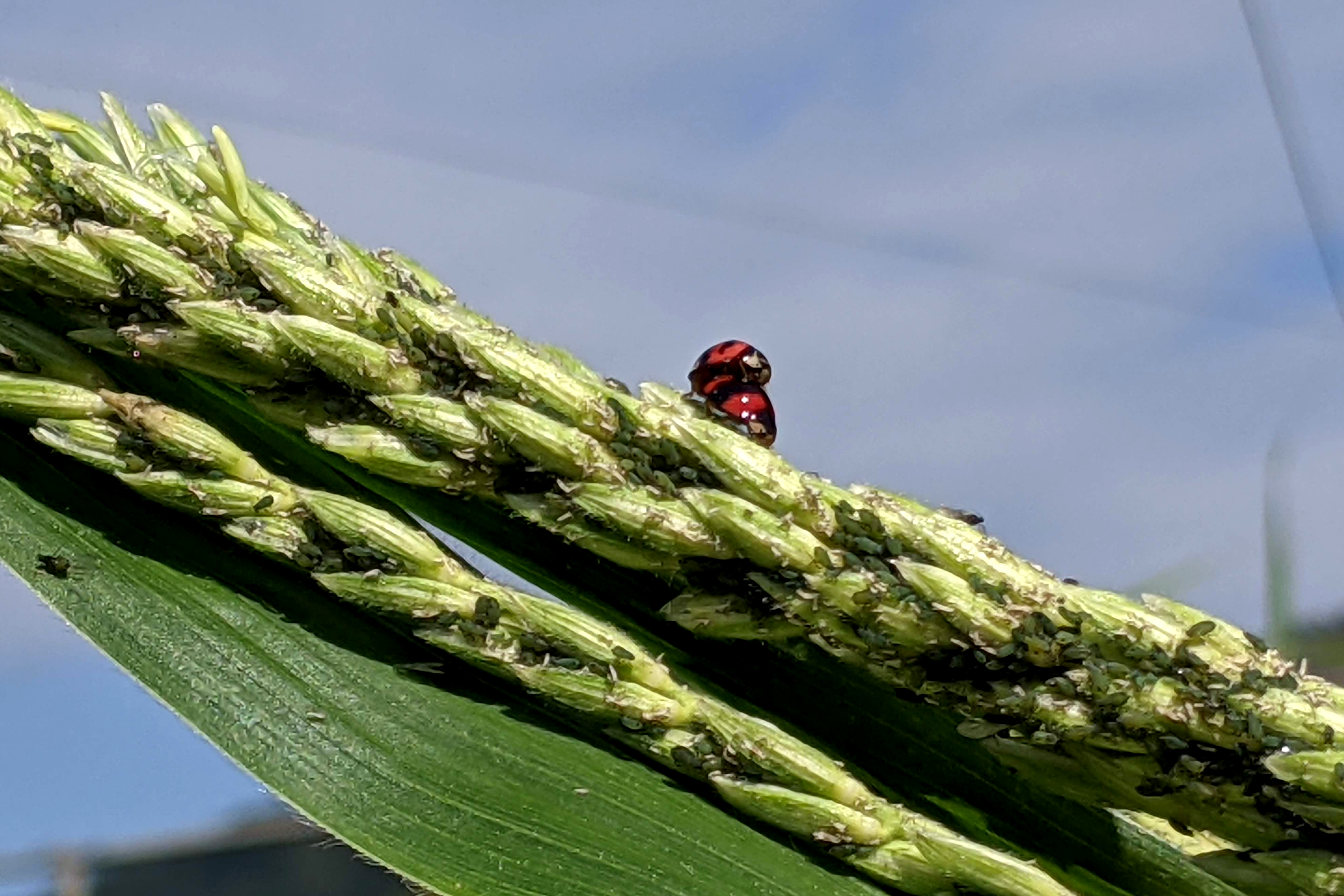
There must be something primal in the joy of sweaty, tangible work followed by a good meal. On slower afternoons, I roamed about like a curious kid, befriending farm dogs, listening to the rain falling on massive banana leaves, watching ladybirds mate in the sun… Being in tune with nature’s cycles has been a major inspiration ever since.

 Angela Wong's Portfolio